Breaking Down the UV Inhibitors in Modern PPF Technology
Sunlight does more damage to your vehicle than most drivers realize. Every hour your car sits in a parking lot or rolls down the highway, ultraviolet radiation is slowly working against the paint, breaking down the clear coat and dulling the color underneath. Over time, that exposure shows up as fading, oxidation, and discoloration that no amount of washing can reverse.
Modern paint protection film changes that equation. Today's films are built with UV inhibitors, a category of compounds engineered to absorb and neutralize ultraviolet rays before they reach your paint. At 1469 Super Center, we install advanced PPF designed to protect vehicles for the long term, and understanding how these UV inhibitors work helps explain why premium film has become one of the smartest investments a vehicle owner can make.
This guide breaks down the science in plain terms, so you can see exactly what you are paying for and why it matters.
What Is Paint Protection Film (PPF)?
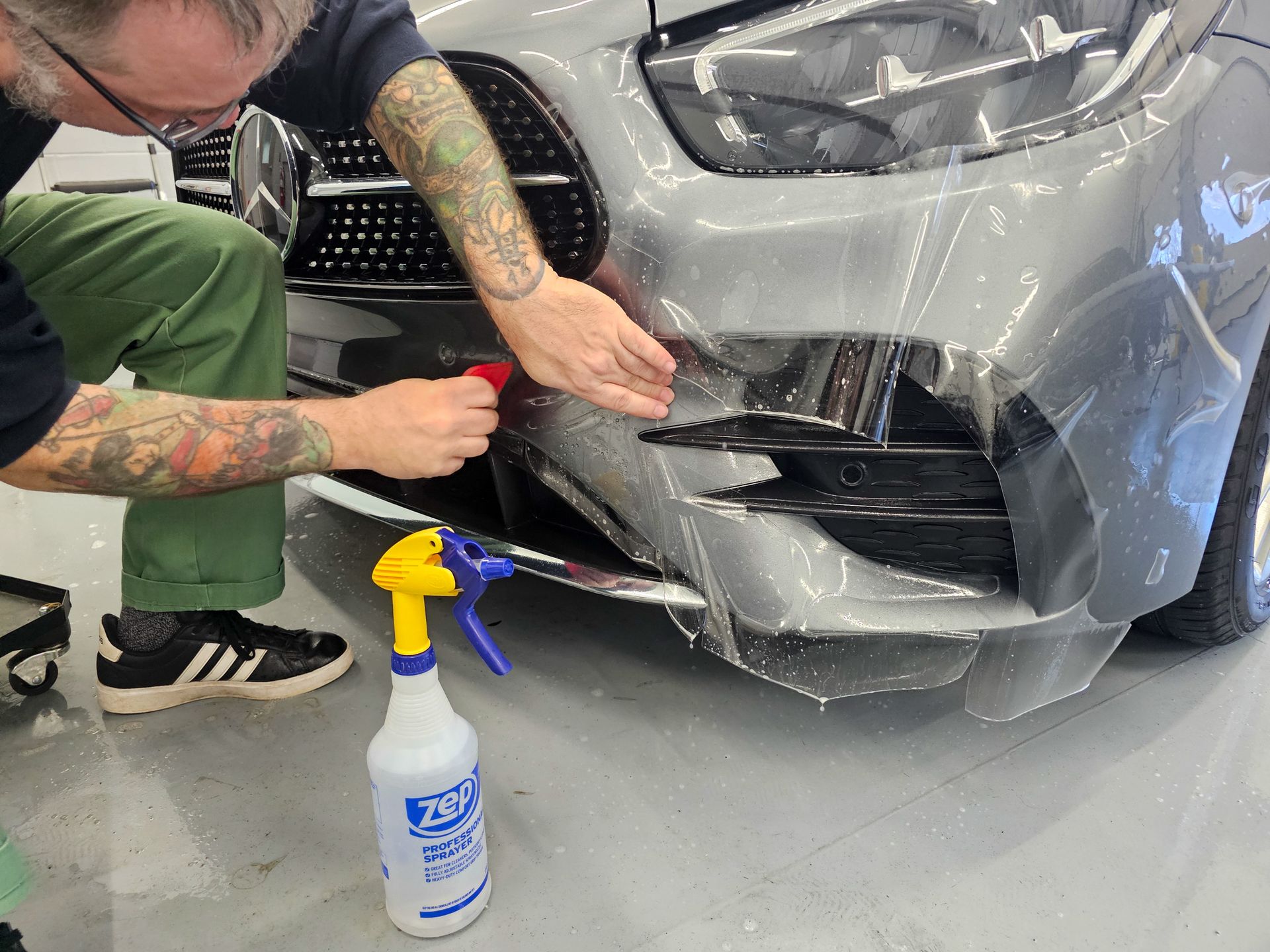
Paint protection film is a clear, durable layer applied directly over your vehicle's painted surfaces. Often called a clear bra, it forms an invisible protective barrier that shields the paint from road debris, rock chips, minor abrasions, and environmental damage.
Most modern PPF is made from thermoplastic polyurethane, a flexible and resilient material that conforms tightly to body panels while remaining nearly undetectable once installed. Because the film is optically clear, it preserves the original look of the paint while taking the punishment that would otherwise hit the finish directly. Many manufacturers produce films designed to meet the protection standards vehicle makers recommend, which is part of why PPF has moved from a niche upgrade to a mainstream form of automotive surface protection.
What Are UV Inhibitors in Modern PPF?
UV inhibitors are the chemical compounds responsible for stopping ultraviolet damage. They work in two ways: some absorb UV energy and release it harmlessly as low-level heat, while others interrupt the chemical reactions that UV light triggers in materials over time.
Two compound families do most of the work in quality film. UV absorbers such as benzotriazole soak up ultraviolet radiation before it can penetrate deeper layers. Hindered amine light stabilizers, usually shortened to HALS, take a different approach by neutralizing the reactive molecules that form when UV light hits the film, which slows long-term degradation and keeps the material stable.
The easiest way to picture it is sunscreen for your vehicle. Just as sunscreen blocks and scatters UV rays to protect skin, UV inhibitors in PPF block and dissipate that same radiation to protect your paint.
How UV Radiation Damages Vehicle Paint
Without protection, ultraviolet exposure attacks paint in stages. First the clear coat begins to break down, losing its ability to reflect light evenly. That leads to oxidation, the chalky, faded look that often appears on older vehicles. From there, color pigments start to fade and shift, and the finish takes on a dull, uneven appearance.
The process speeds up in harsh conditions. Prolonged sun exposure, high heat, and dry climates all accelerate paint deterioration. A vehicle parked outdoors in a sunny region can show visible fading and discoloration years before one kept in a garage. Heat compounds the problem, since elevated surface temperatures make the chemical breakdown happen faster. UV inhibitors are designed to slow every step of that cycle.
The Multi-Layer Structure of Modern PPF
Quality paint protection film is not a single sheet of plastic. It is a layered system, and each layer has a job.
Adhesive Layer
The bottom layer bonds the film securely to your paint. A good adhesive holds the film flat and consistent across curves and edges without damaging the surface underneath, and it allows the film to be removed cleanly down the road if needed.
TPU Middle Layer
The thermoplastic polyurethane core is the workhorse of the film. This layer absorbs impact from rock chips and road debris, flexes to fit body panels, and gives the film its strength and durability.
Top Coat with UV Inhibitors
The outermost layer carries the UV inhibitors along with features like contaminant resistance and self-healing properties. It defends against environmental exposure while maintaining the optical clarity that keeps the film invisible. This is the layer doing the most to preserve how your vehicle looks.
Benefits of UV Inhibitors in Paint Protection Film
The protective payoff of UV inhibitors shows up in several ways:
- Prevents fading by blocking the radiation that breaks down color pigments
- Maintains gloss so the finish keeps its depth and shine
- Reduces yellowing in the film itself, a common issue with older or lower-quality products
- Protects against oxidation by shielding the clear coat from UV breakdown
- Improves film longevity, helping the protection last its full service life
- Preserves resale value by keeping the paint in original condition
Premium films are engineered to block up to 99% of ultraviolet radiation while retaining their clarity over many years of exposure. That combination is what allows the film to protect the paint and stay nearly invisible at the same time.
Advanced Features in Modern PPF Technology
UV protection is the foundation, but modern film offers more.
Self-Healing Technology
Many films feature a self-healing top coat. Light scratches and swirl marks fade away when the surface is warmed by sunlight or warm water, because heat activates the coating and allows it to return to its original form.
Hydrophobic Coatings
Hydrophobic properties cause water to bead and roll off the surface, carrying dirt with it. The result is a cleaner-looking vehicle and easier washing.
Chemical Resistance
Quality film resists damage from bird droppings, road salt, tree sap, and other contaminants that can etch unprotected paint, giving you a buffer against everyday environmental threats.
Non-Yellowing Technology
Older films were prone to turning yellow as they aged. Modern UV inhibitors keep the film clear over time, so it does not discolor and draw attention to itself.
How to Choose a UV Resistant PPF
Not all paint protection films perform the same. When comparing options, pay attention to:
- Film thickness, typically in the 6 to 10 mil range, which affects impact protection
- Warranty length, often 7 to 10 years on premium products, as a signal of expected durability
- UV resistance ratings, which indicate how much radiation the film blocks
- Installer certification, since proper application is critical to performance
- Climate considerations, because vehicles in sunny regions or with heavy highway driving face more UV and debris exposure
For luxury vehicles and daily drivers alike, matching the film to your real-world conditions is the key to getting the protection you are paying for.
Professional Installation vs DIY PPF
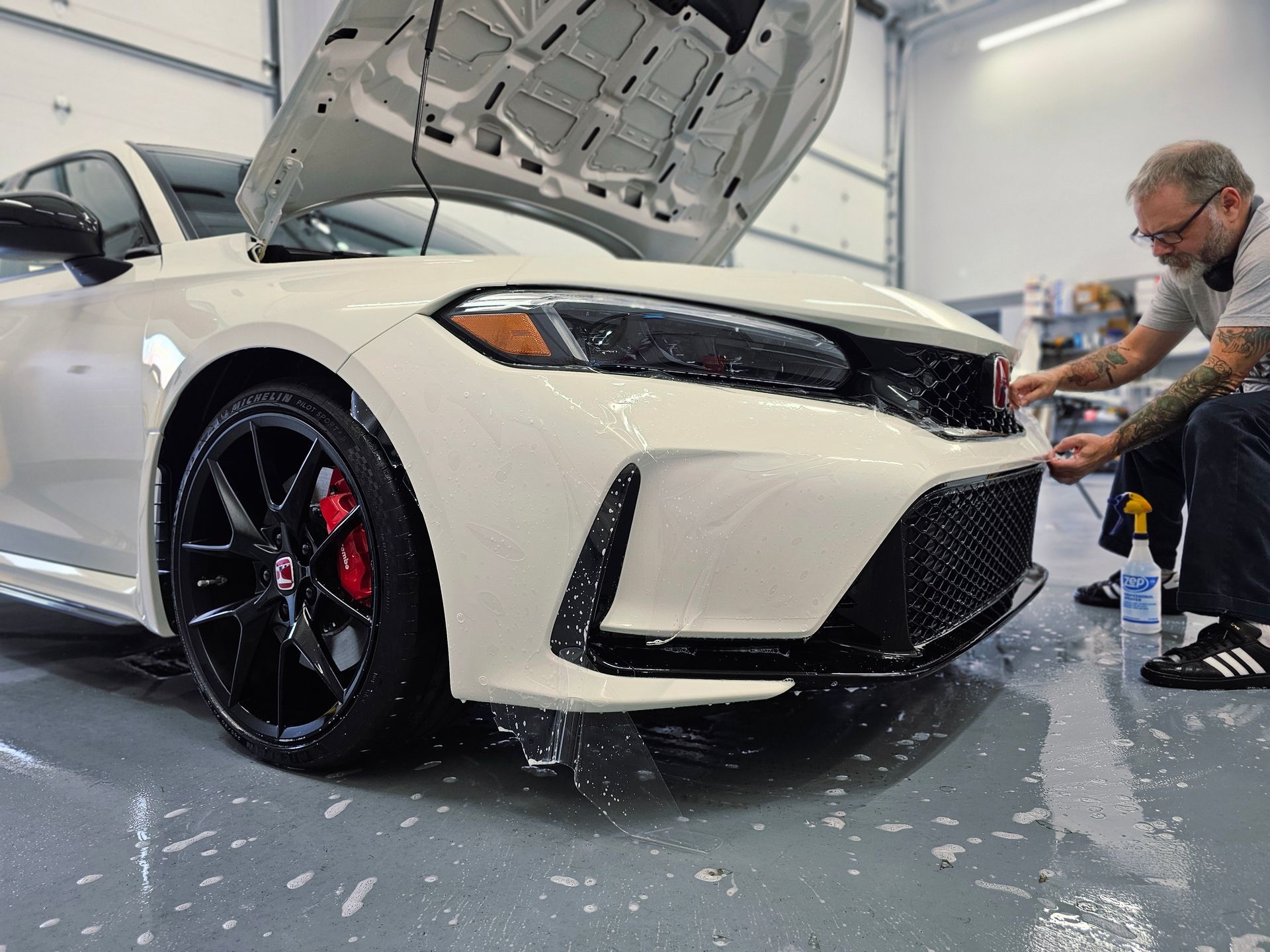
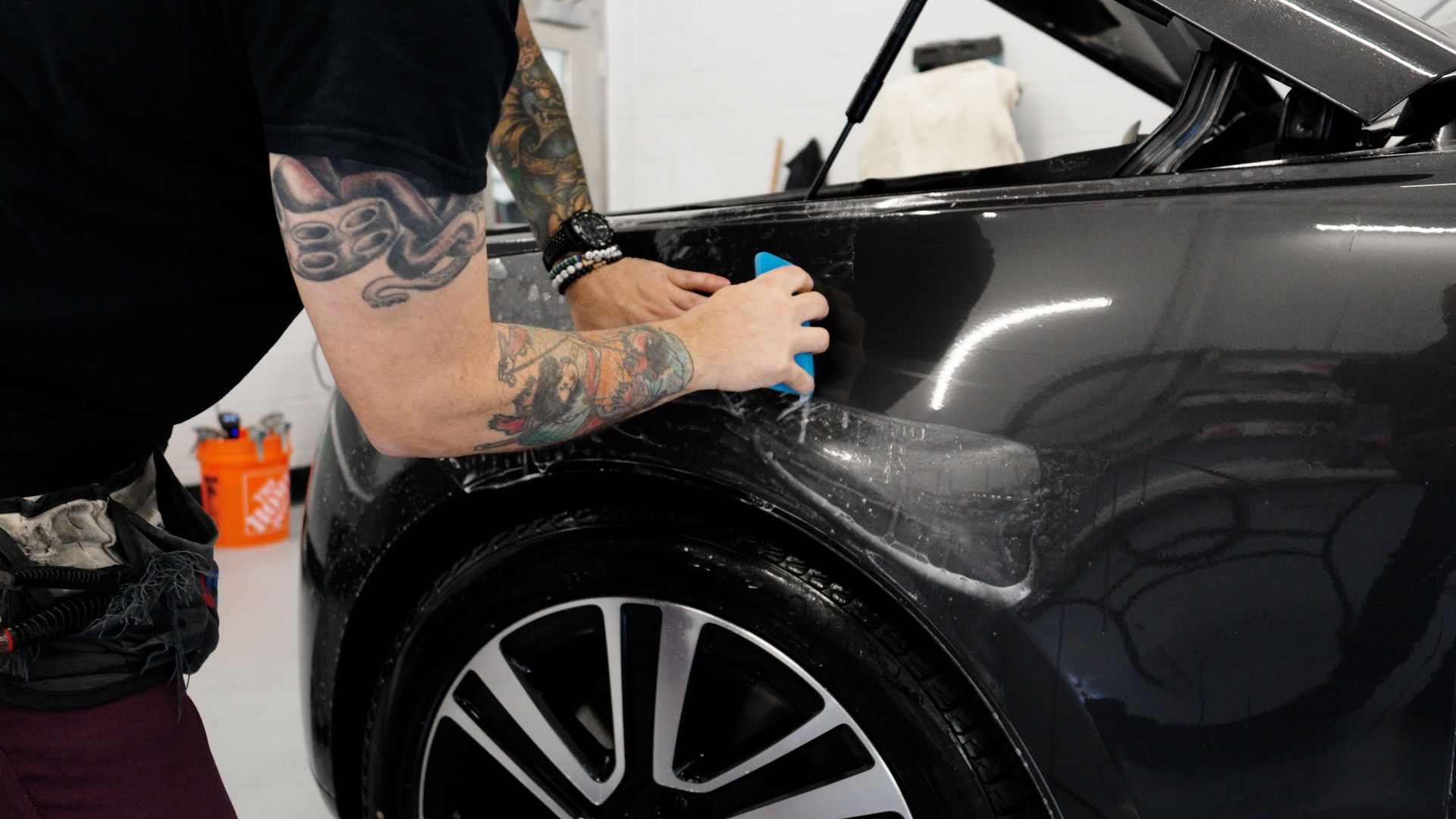
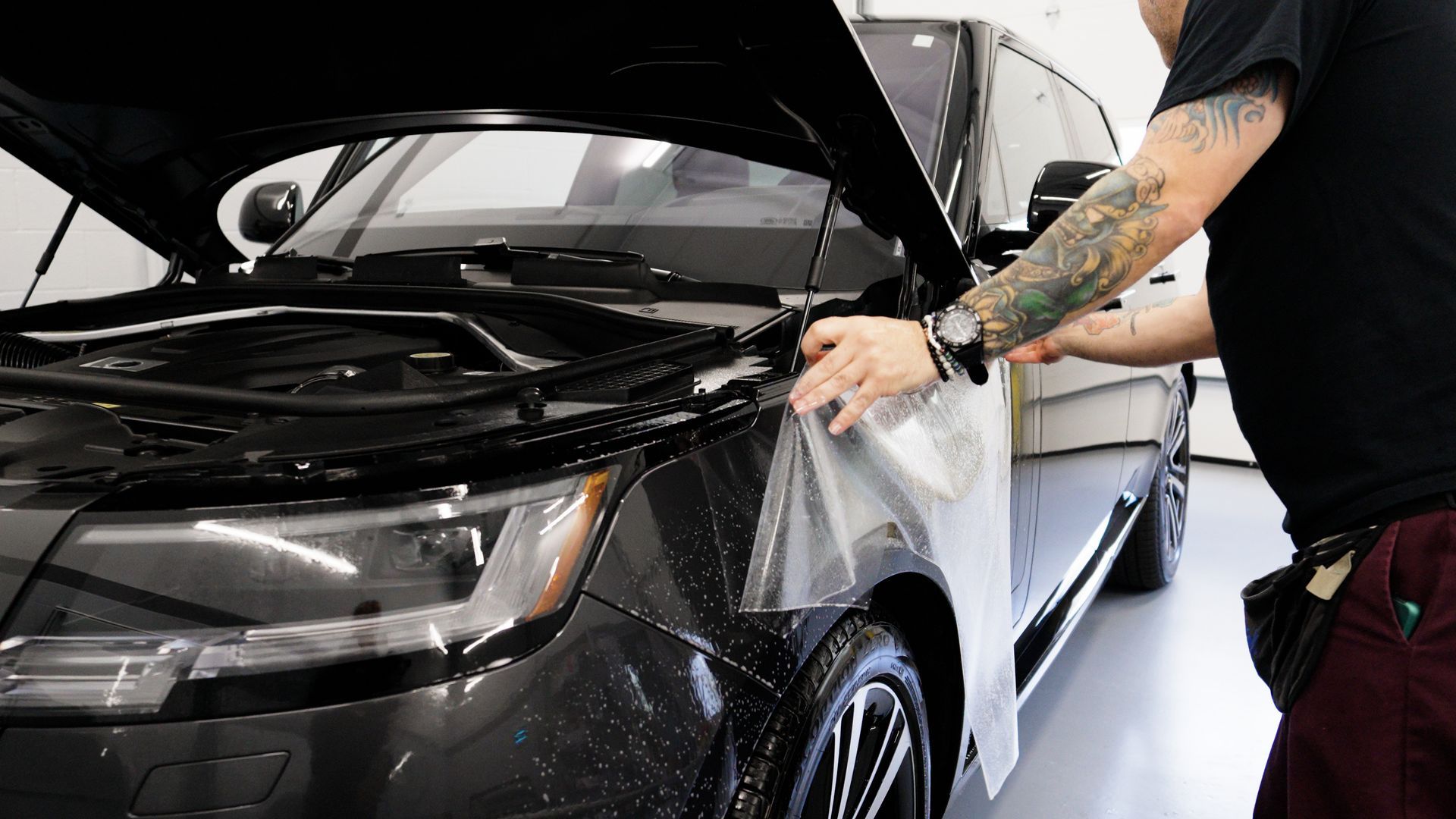
PPF rewards precision. Professional installation includes accurate cutting, careful edge wrapping, and bubble-free application across complex curves and panels. Those details determine how well the film performs and how long it lasts.
DIY kits exist, but they rarely deliver the clean edges and consistent coverage that protect a vehicle properly, and mistakes during application can leave gaps where UV and debris still reach the paint. Professional installation ensures maximum UV protection and longevity, which is why we handle every step in-house.
Why Premium PPF Matters for Long-Term Vehicle Value
A vehicle's paint is one of the first things people notice and one of the most expensive surfaces to restore. Premium PPF preserves that paint quality year after year, which matters most when it comes time to sell or trade in. Protecting the finish helps maintain resale value and reduces the likelihood of costly repaint work down the line. For owners of luxury or late-model vehicles, that protection often pays for itself.
Why Drivers Trust 1469 Super Center for Advanced PPF Installation
At 1469 Super Center, we install premium paint protection film built with the UV inhibitors and advanced features today's vehicles deserve. Our team focuses on precise installation and long-term paint preservation, using quality products designed to protect your finish through years of sun, heat, and road exposure. Drivers across our community trust us because we treat every vehicle as an investment worth protecting.
Schedule a consultation with 1469 Super Center today and find out how advanced PPF can keep your vehicle looking its best for the long haul.
FAQs
What do UV inhibitors do in paint protection film?
They absorb and neutralize ultraviolet radiation before it reaches your paint, preventing the fading, oxidation, and clear coat breakdown that sun exposure causes.
Does PPF prevent paint fading?
Yes. UV inhibitors in modern film block the radiation responsible for breaking down color pigments, which helps keep your paint looking original far longer.
Can PPF turn yellow over time?
Older and lower-quality films were prone to yellowing. Modern PPF uses UV inhibitors that keep the film clear, so quality film stays nearly invisible throughout its service life.
How long does UV resistant PPF last?
Premium films commonly carry warranties in the 7 to 10 year range, with actual lifespan depending on climate, driving conditions, and care.
Is self-healing PPF worth it?
For most drivers, yes. Self-healing film removes light scratches and swirl marks with heat, helping the surface stay smooth and clear without extra work.
What's the difference between ceramic coating and PPF?
Ceramic coating is a thin liquid layer that adds gloss, hydrophobic properties, and some chemical resistance. PPF is a thicker physical film that also absorbs impact from rock chips and debris. Many owners use both together.
Does PPF block UV rays completely?
Premium film blocks up to 99% of ultraviolet radiation. No film blocks 100%, but quality PPF dramatically reduces UV damage to your paint.
How does heat activate self-healing PPF?
The self-healing top coat softens slightly when warmed by sunlight or warm water, allowing it to flow back into its original shape and erase light scratches.
Is professional PPF installation necessary?
For reliable protection, yes. Professional installation ensures clean edges, full coverage, and bubble-free application, all of which are essential to how well the film performs.