Can I Pressure Wash My Car After Applying A Ceramic Coating?
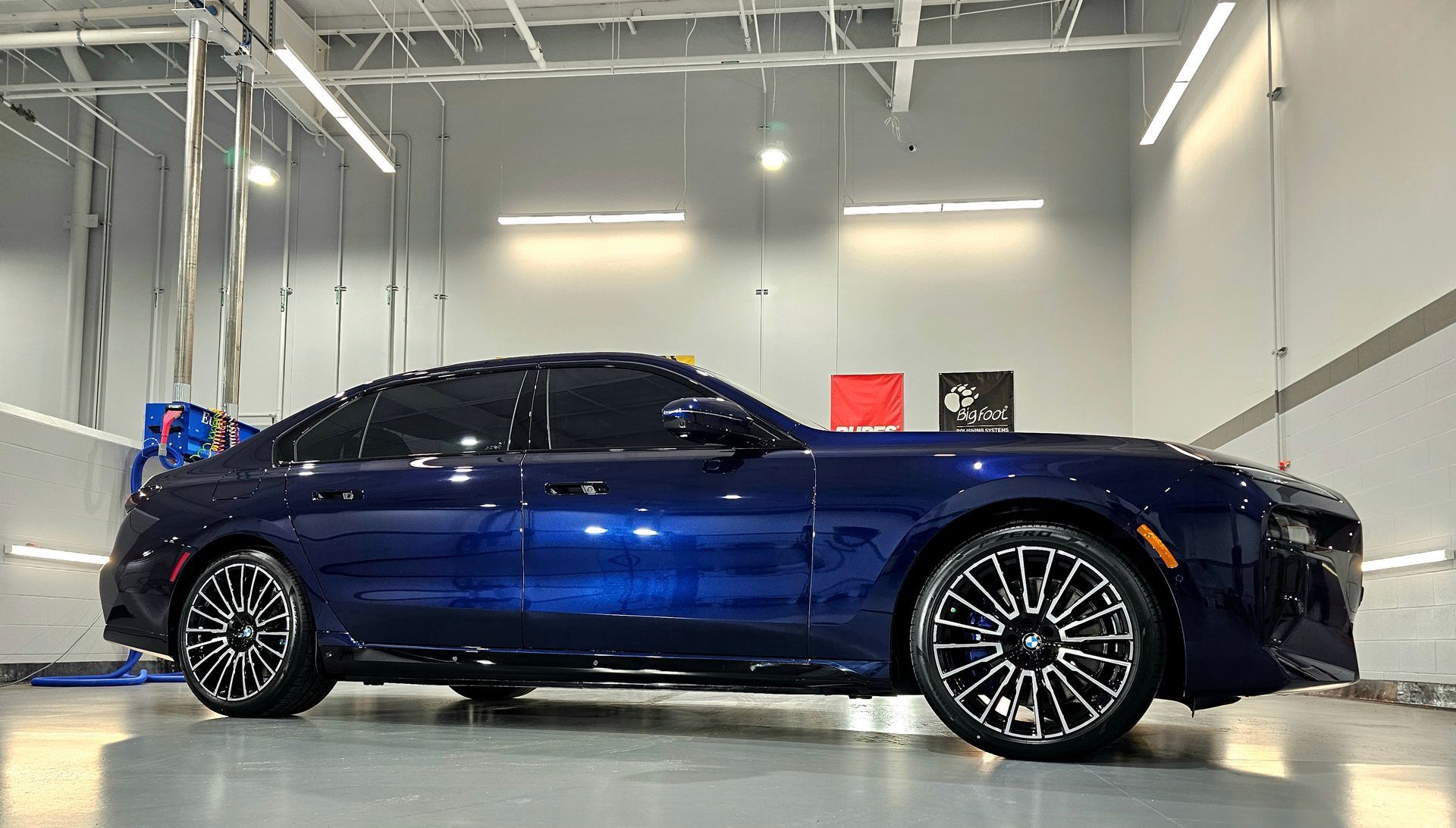
You’ve just invested in professional ceramic coating at 1469 Super Center, the pinnacle of automotive paint protection. Your car’s finish now boasts that mirror-like shine and hydrophobic performance that only a premium coating like Onyx can deliver. But as you pull out of our Fort Wayne facility, a critical question emerges.
How do I maintain this investment without damaging it?
Here’s the straightforward answer: Yes, pressure washing is not only safe, it’s actually one of the best ways to maintain a ceramic coating. However, there’s a crucial caveat: you must respect the 7-day curing period and follow proper technique. Use the wrong settings or wash too soon, and you risk compromising the very protection you paid for.
At 1469 Super Center, we’ve been perfecting vehicle protection since 1999. As an Authorized Onyx Installer and IDA-Certified detailing shop, we’ve applied hundreds of ceramic coatings and learned exactly what it takes to keep them performing at their peak. This guide shares our proven methodology for pressure washing ceramic-coated vehicles. It’s the same approach we use on our own fleet and recommend to every client who leaves our shop.
The Golden Rule: The 7-Day Waiting Period
Before you even think about pointing a pressure washer at your freshly coated vehicle, you need to understand the science behind ceramic coating curing.
When we apply Onyx 10H or N1 coatings at 1469 Super Center, we’re initiating a complex chemical bonding process. The coating doesn’t simply “dry” like paint. Instead, it undergoes a molecular cross-linking reaction with your vehicle’s clear coat. This creates that legendary 10H hardness rating and N1 smoothness that makes ceramic coatings so desirable.
This process takes time. While the coating may feel dry to the touch within 24-48 hours, achieving full cure requires a minimum of 7 days under normal conditions. In colder Midwest weather or high humidity (common in Fort Wayne), this timeline can extend even further.
The Danger of Early Washing
Introducing water and high pressure during the curing window is like disturbing concrete before it sets. You risk:
- Delamination: The coating can separate from the clear coat, creating weak spots
- Streaking: Water can disrupt the leveling process, leaving permanent marks
- Reduced Performance: The hydrophobic properties you paid for won’t develop properly
- Premature Failure: Your coating may fail months or years earlier than its rated lifespan
Our advice is absolute: Wait at least 7 full days before any high-pressure contact. Light rain is generally fine, but avoid automatic car washes, hand washing, or pressure washing during this critical curing period. If your vehicle gets dirty, let us handle it. We offer complimentary post-installation inspections for this exact reason.
Equipment Settings for a Safe Wash
Not all pressure washers are created equal, and the wrong settings can damage even a fully cured ceramic coating. Here’s exactly what you need to know:
PSI Range: The Sweet Spot is 1,200
Your pressure washer’s PSI (pounds per square inch) rating determines how much force the water stream delivers. For ceramic-coated vehicles, you want to stay in the 1,000-1,900 PSI range, with 1,200 PSI being ideal.
Why this matters: Commercial car wash wands can exceed 2,500 PSI, which is aggressive enough to lift the edges of ceramic coatings, especially around badges, trim, and panel gaps. Home pressure washers typically operate between 1,300-2,000 PSI, which is perfect if you use the right nozzle.
Nozzle Choice: Wide-Angle is Your Friend
Pressure washer nozzles are color-coded by spray angle:
Red (0°): Laser-focused stream. NEVER use on your car .
Yellow (15°): Still too concentrated. Avoid this nozzle .
Green (25°): Acceptable for wheels and undercarriage.
White (40°): This is your go-to nozzle for painted surfaces
Black (65°): Low-pressure soap application.
The 40-degree white nozzle creates a wide fan pattern that distributes pressure evenly. This prevents the “drilling” effect that narrower nozzles create, which can penetrate the coating and damage the clear coat underneath.
For ceramic-coated vehicles, we exclusively use 25° to 40° nozzles at 1469 Super Center. The wider the angle, the safer the wash.
The “Rule of a Foot”: Distance Matters
Even with the correct nozzle, you need to maintain proper standoff distance. Keep the wand 12-18 inches away from the surface at all times.
Too close, and even a 40-degree nozzle concentrates enough force to cause micro-marring or stress the coating. Too far, and you lose the cleaning effectiveness that makes pressure washing worthwhile. A foot to a foot-and-a-half is the goldilocks zone: close enough to clean, far enough to protect.
Step-by-Step Pressure Washing Guide (The 1469 Super Center Method)
This is the exact process our certified technicians use when performing ceramic maintenance washes. Follow it precisely, and you’ll keep your coating performing like new for years.
Step 1: Pre-Rinse to Remove Loose Grit
Before any soap or agitation, thoroughly rinse the entire vehicle from top to bottom. This critical step removes loose dirt, road salt, and debris that could scratch the coating during the main wash.
Technique: Start with the roof and work downward in overlapping passes. Pay special attention to the rocker panels, wheel wells, and lower bumpers. These areas accumulate the most grit in Fort Wayne’s winter conditions.
Step 2: Foam Cannon Application
A foam cannon (also called a snow foam lance) attaches to your pressure washer and applies thick, clinging soap that dwells on the surface. This is far superior to hand-washing because it lubricates the paint before any physical contact occurs.
Critical requirement: Use only pH-neutral car soap specifically formulated for ceramic coatings. Avoid: - Dish soap (strips the coating’s hydrophobic properties) - Alkaline degreasers (too aggressive for regular maintenance) - Acidic wheel cleaners on painted surfaces - Soap with wax or gloss enhancers (creates buildup on the coating).
At 1469 Super Center, we stock pH-neutral maintenance shampoos specifically designed for Onyx coatings. These formulas clean effectively without compromising the coating’s chemistry.
Step 3: Dwell Time (But Not Too Long)
After applying foam, let it sit for 3-5 minutes. This allows the surfactants to break down dirt and lift it away from the coating’s slick N1 surface.
Warning: Never let soap dry on the vehicle, especially in direct sunlight. Dried soap creates water spots that can etch into the coating. If you’re washing in warm weather, work in sections or park in shade.
Step 4: The “Top-Down” Rinse
Now comes the actual pressure washing. Always work from the roof downward to prevent pushing dirt from lower panels onto areas you’ve already cleaned.
Technique: - Use sweeping, overlapping motions - Maintain consistent 12-18 inch distance - Rinse panel by panel, ensuring complete soap removal - Pay extra attention to crevices, door handles, and trim where soap accumulates - Finish with the wheels and wheel wells (you can use the 25° nozzle here for extra cleaning power).
The beauty of ceramic coating shines here, literally. Thanks to the hydrophobic properties of Onyx 10H, water and dirt sheet off with minimal effort. You’ll notice the water beading dramatically as it rolls off the surface. This is exactly what you want to see.
Step 5: Touchless Drying
Here’s where many people make a critical mistake: they towel-dry their ceramic-coated vehicle, introducing unnecessary friction and potential for swirl marks.
Better approach: Use a leaf blower or dedicated car dryer to blow water off the surface. The coating’s hydrophobic properties make this incredibly effective. Water literally flies off the paint with minimal effort.
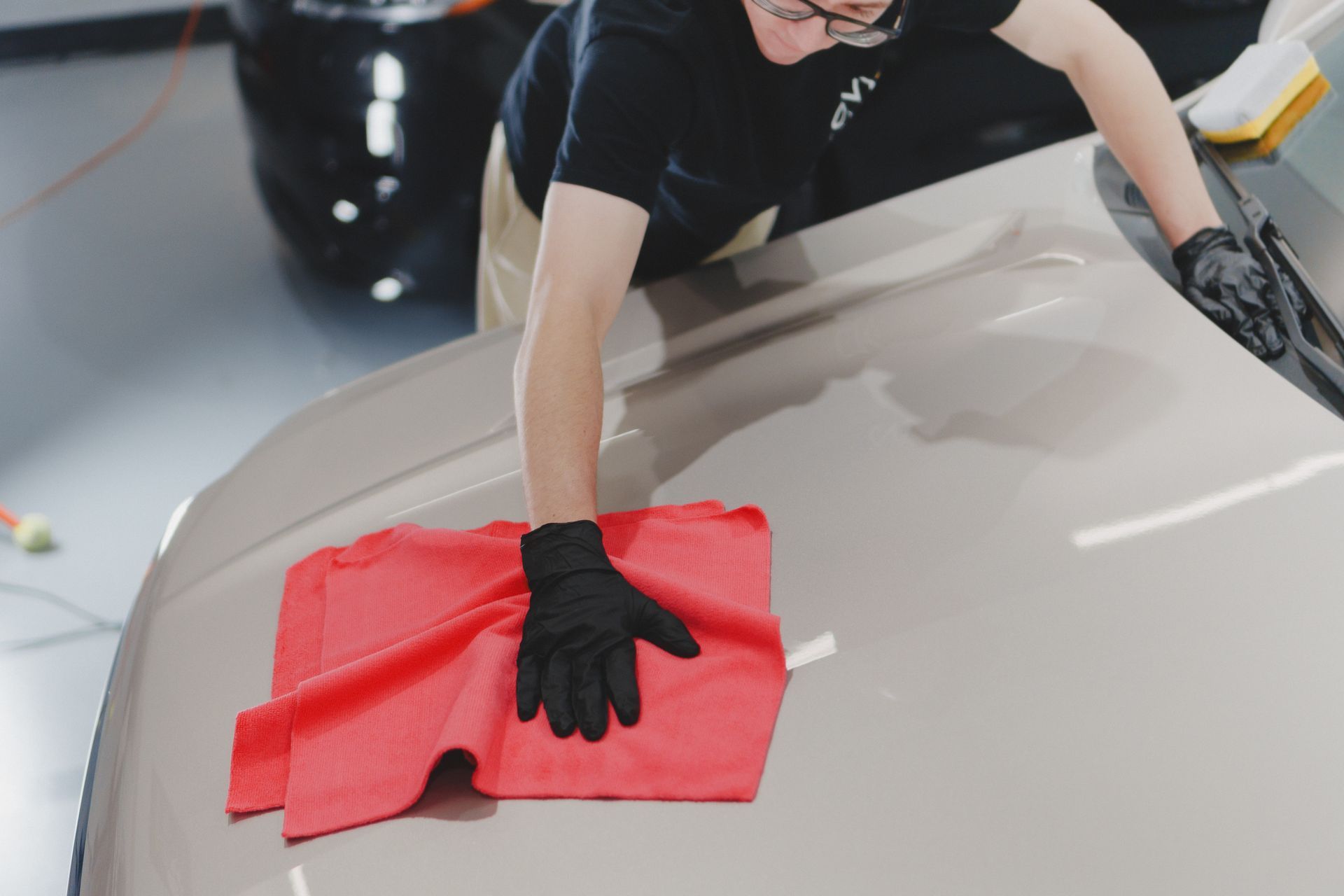
If you must use towels, invest in high-quality microfiber drying towels and use a blotting motion rather than wiping. Never use circular motions, which create swirl marks under certain lighting conditions.
Why Pressure Washing is Better for Ceramic Coatings
You might wonder why we recommend pressure washing over traditional hand washing. The answer lies in the unique properties of ceramic coatings:
Hydrophobicity Does the Heavy Lifting
The hydrophobic surface created by Onyx coatings (especially the N1 smoothness rating) causes water to bead and roll off rather than cling to the paint. This means dirt and contaminants sit on top of the coating rather than bonding to it.
When you pressure wash, you’re using water force to push these loosely-attached contaminants off the surface. It’s mechanical cleaning without mechanical contact, the ideal scenario for paint preservation.
Reduced Friction Means Fewer Swirl Marks
Traditional hand washing, even with the two-bucket method, requires physical agitation. Every time a wash mitt touches your paint, there’s potential for introducing micro-marring, especially if any grit gets trapped in the mitt fibers.
Pressure washing minimizes this contact. The foam cannon provides lubrication, the water pressure does the cleaning, and touchless drying eliminates the final friction point. The result? Your coating maintains that perfect mirror finish longer.
Perfect for Midwest Environmental Conditions
Fort Wayne’s climate presents unique challenges: road salt in winter, tree sap in spring and summer, hard water deposits year-round. Ceramic coatings protect against these contaminants, but they still need to be removed regularly.
Pressure washing excels at removing these stubborn materials without aggressive scrubbing. The coating’s slick surface lets even dried tree sap release under moderate pressure, while hand washing might require chemical solvents that stress the coating.
Maintenance Boosters: Keeping Your Coating in Peak Condition
While pressure washing maintains cleanliness, you can further enhance your coating’s performance with periodic maintenance products:
Ceramic Maintenance Sprays
These SiO2-based toppers add a sacrificial layer over your coating, refreshing the hydrophobic properties and adding extra gloss. We recommend applying them every 3-6 months, or after every 5-10 washes.
At 1469 Super Center, we offer professional-grade maintenance sprays that are specifically compatible with Onyx coatings. These products won’t create buildup or interfere with the coating’s chemistry, a common problem with consumer-grade spray sealants.
Professional Ceramic Maintenance Washes
Not everyone has the time, equipment, or confidence to pressure wash their own vehicle. That’s exactly why we offer Ceramic Maintenance Washes at our Fort Wayne facility.
Our certified technicians use commercial-grade equipment with perfect pressure settings, pH-neutral products formulated specifically for ceramic coatings, and proven techniques that preserve your investment. We’ll also inspect your coating during each visit, catching any potential issues before they become problems.
Think of it as regular maintenance for your coating, similar to oil changes for your engine. A small investment in professional care extends the life of your larger ceramic coating investment.
What to Avoid: The Forbidden Zone
Now that you know what to do, let’s be crystal clear about what you should never do to a ceramic-coated vehicle:
Automatic Brush Car Washes
Those spinning brushes are covered in grit from hundreds of previous vehicles. They’ll introduce swirl marks and scratches that defeat the entire purpose of ceramic coating. Even “touchless” automatic washes often use extremely high pressure (3,000+ PSI) and harsh alkaline chemicals that stress the coating.
Our stance: Automatic car washes are permanently off-limits for ceramic-coated vehicles. No exceptions.
Dish Soap or Household Cleaners
Dish soap is designed to strip grease and oils, exactly what you don’t want on a hydrophobic coating. It will gradually degrade the coating’s water-repelling properties, forcing you to reapply much sooner than the rated lifespan.
Similarly, glass cleaners with ammonia, all-purpose cleaners, and other household products contain chemicals incompatible with ceramic coatings. Stick to pH-neutral, ceramic-safe products exclusively.
Hot Water
While not immediately damaging, hot water can accelerate the breakdown of ceramic coatings over time. It also promotes water spotting, especially in areas with hard water like Fort Wayne.
Use cold or lukewarm water for all washing. Your coating will thank you with extended performance.
The 1469 Super Center Difference
Since 1999, we’ve been Fort Wayne’s trusted authority on vehicle protection. Our status as an Authorized Onyx Installer and IDA-Certified shop isn’t just a badge. It represents thousands of hours of training, hundreds of successful installations, and an unwavering commitment to educating our clients.
When you choose 1469 Super Center for ceramic coating, you’re not just getting a product applied to your vehicle. You’re gaining a partner in long-term paint protection. We provide:
- Detailed aftercare instructions tailored to your specific coating and vehicle
- Complimentary post-installation inspections during the critical curing period
- Professional-grade maintenance products available for purchase
- Ongoing support via phone or in-person consultation
- Ceramic maintenance wash services when you need professional care
Your ceramic coating is a significant investment in your vehicle’s appearance and resale value. Proper maintenance, starting with correct pressure washing technique, ensures you get every year of protection you paid for.
Ready to Protect Your Investment?
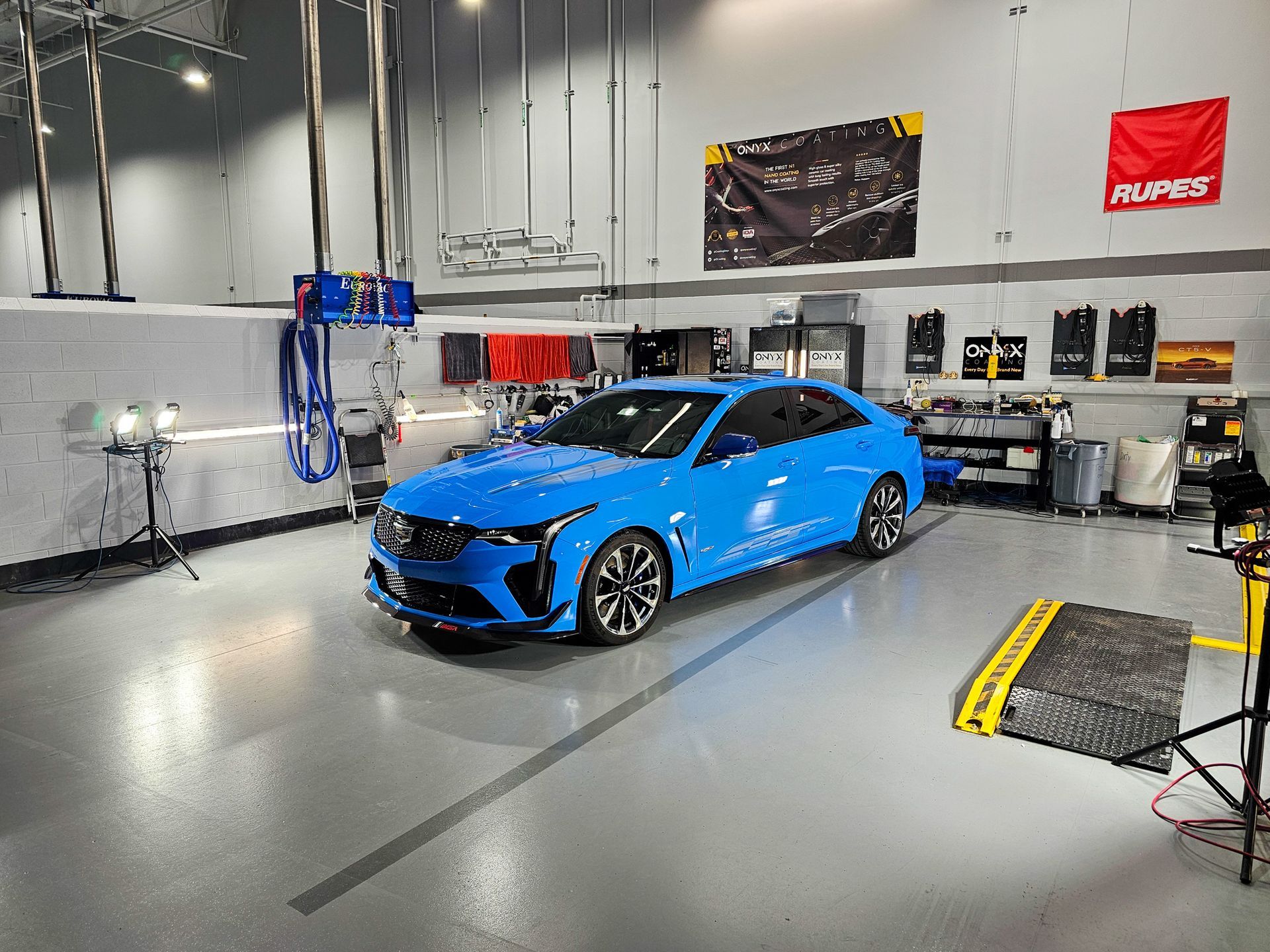
If you have questions about maintaining your ceramic coating, or if you’re interested in professional ceramic coating installation or maintenance services, contact 1469 Super Center today. Our Fort Wayne facility is equipped with state-of-the-art detailing bays, and our certified technicians are ready to help.
Remember: The best ceramic coating maintenance starts with the right knowledge. Now that you understand how to pressure wash safely, you can keep your vehicle looking showroom-fresh for years to come.