Winter-Proof Your Car: Ceramic Coating Maintenance Tips from 1469 Super Center
If you’ve lived through an Indiana winter, you know the drill: salt-covered roads, relentless slush, and temperatures that swing from bitter cold to slushy mess and back again. Your car takes a beating from November through March, and while you might think that ceramic coating you invested in has you covered, there’s a harsh truth many car owners don’t realize.Ceramic coating isn’t “set it and forget it,” especially during winter.
While ceramic coating remains the absolute best defense against winter’s assault on your vehicle’s paint, it requires specific maintenance to perform at its peak through the season. Without proper care, even the most premium coating can become compromised, leaving your paint vulnerable to the very elements you paid to protect against.
At
1469 Super Center, we’ve been helping Fort Wayne drivers protect their vehicles since 1999. With over two decades of Indiana winters under our belt, we know exactly what it takes to keep your ceramic-coated car looking showroom-fresh, even when the salt trucks are working overtime.

Why Winter is the Enemy of Your Car’s Paint
Understanding what your car faces during winter helps explain why maintenance matters so much. Let’s break down the science behind winter’s attack on your vehicle.
Road Salt & Brine: The Silent Paint Killer
When temperatures drop, road crews deploy a chemical arsenal to keep roads safe: sodium chloride (salt) and calcium chloride brine. While these compounds prevent ice formation, they’re also highly corrosive. Here’s what happens: salt doesn’t just sit harmlessly on your paint. It actively draws moisture from the air, creating a salty solution that can penetrate microscopic imperfections in your clear coat.
Even with ceramic coating providing a protective barrier, leaving salt on your vehicle for extended periods creates problems. The salt and grime can actually clog the microscopic pores of the coating’s surface, diminishing its effectiveness. Think of it like a filter that needs cleaning—the ceramic coating is still there, still protecting, but it can’t perform optimally when it’s covered in winter contamination.
Temperature Fluctuations: The Freeze-Thaw Assault
Indiana winters are unpredictable. One day it’s 15°F, the next day it’s 45°F and raining. These dramatic temperature swings create freeze-thaw cycles that amplify the damage from contaminants on your paint. When water trapped in salt residue freezes, it expands. When it thaws, it contracts. This constant expansion and contraction helps push corrosive materials deeper into any vulnerable spots.
The result? Accelerated paint degradation, particularly around edges, seams, and anywhere the coating might have a weak point.
Loss of Hydrophobicity: When Your Coating Stops Beading
Here’s a moment that panics many ceramic coating owners: you notice water isn’t beading off your car like it used to. Before you assume your coating has failed, understand this critical point: if your car stops beading water, the coating isn’t necessarily gone; it’s likely just “clogged” with winter grime.
Road film, salt residue, and environmental fallout build up on the coating’s surface, preventing water from making direct contact with the hydrophobic layer beneath. This is actually good news because it means proper maintenance can restore that beading effect. The coating is still there, protecting your paint—it just needs to be cleaned properly.
5 Essential Rules for Ceramic Coating Maintenance in Winter
Protecting your investment doesn’t require professional intervention every week, but it does require smart, consistent care. Follow these five essential rules to keep your ceramic coating performing through the harshest months.
1. Wash Frequently (But Carefully)
Don’t wait until spring to wash your car. During active winter months, aim to wash your vehicle every two weeks minimum. In weeks with heavy salt usage, weekly washing is ideal. This removes salt buildup before it can compromise your coating or paint.
The proper method matters as much as frequency. We strongly recommend the Two-Bucket Method for hand washing: - Fill one bucket with pH-neutral car shampoo and water (your wash bucket) - Fill a second bucket with clean water only (your rinse bucket) - After each pass across the paint with your wash mitt, rinse it in the clean water bucket to remove grit and contamination before reloading with soapy water
This simple technique prevents you from rubbing abrasive road grit into your paint, which can mar even ceramic-coated surfaces over time.
Critical warning about automatic car washes: Strictly avoid “soft touch” automatic car washes (the kind with spinning brushes and cloth strips). These brushes accumulate grit and debris from hundreds of vehicles and act like sandpaper on your paint, creating swirl marks and scratches that even ceramic coating can’t fully prevent. If hand washing isn’t possible due to extreme cold, use touchless automatic washes only. While not ideal, they’re far better than risking damage from contaminated brushes.
2. Use the Right Soap (pH-Neutral is Key)
Not all car soaps are created equal, and using the wrong product can actually harm your ceramic coating’s performance.
Avoid these common mistakes: - Heavy degreasers that strip away the coating’s top layer - “Wash and wax” soaps that leave a film, interfering with the coating’s hydrophobic properties - Dish soap or household cleaners (these are far too harsh)
What to use instead: A pH-neutral car shampoo specifically designed for ceramic coatings. These formulas clean effectively without compromising the coating’s chemical structure. At 1469 Super Center, we recommend and use Onyx maintenance products, which are specifically engineered to work in harmony with ceramic coatings. These products clean thoroughly while preserving the coating’s protective properties. pH-neutral means the soap won’t be overly acidic or alkaline, both of which can degrade coating performance over time.
3. Dry Your Car Immediately
After washing, never let your car air dry, especially in freezing temperatures. Here’s why this step is critical: water spots are mineral deposits left behind when water evaporates. In winter, these spots can freeze on the surface, making them exponentially harder to remove. Once baked on through repeated freeze-thaw cycles, water spots can permanently etch into even ceramic-coated paint.
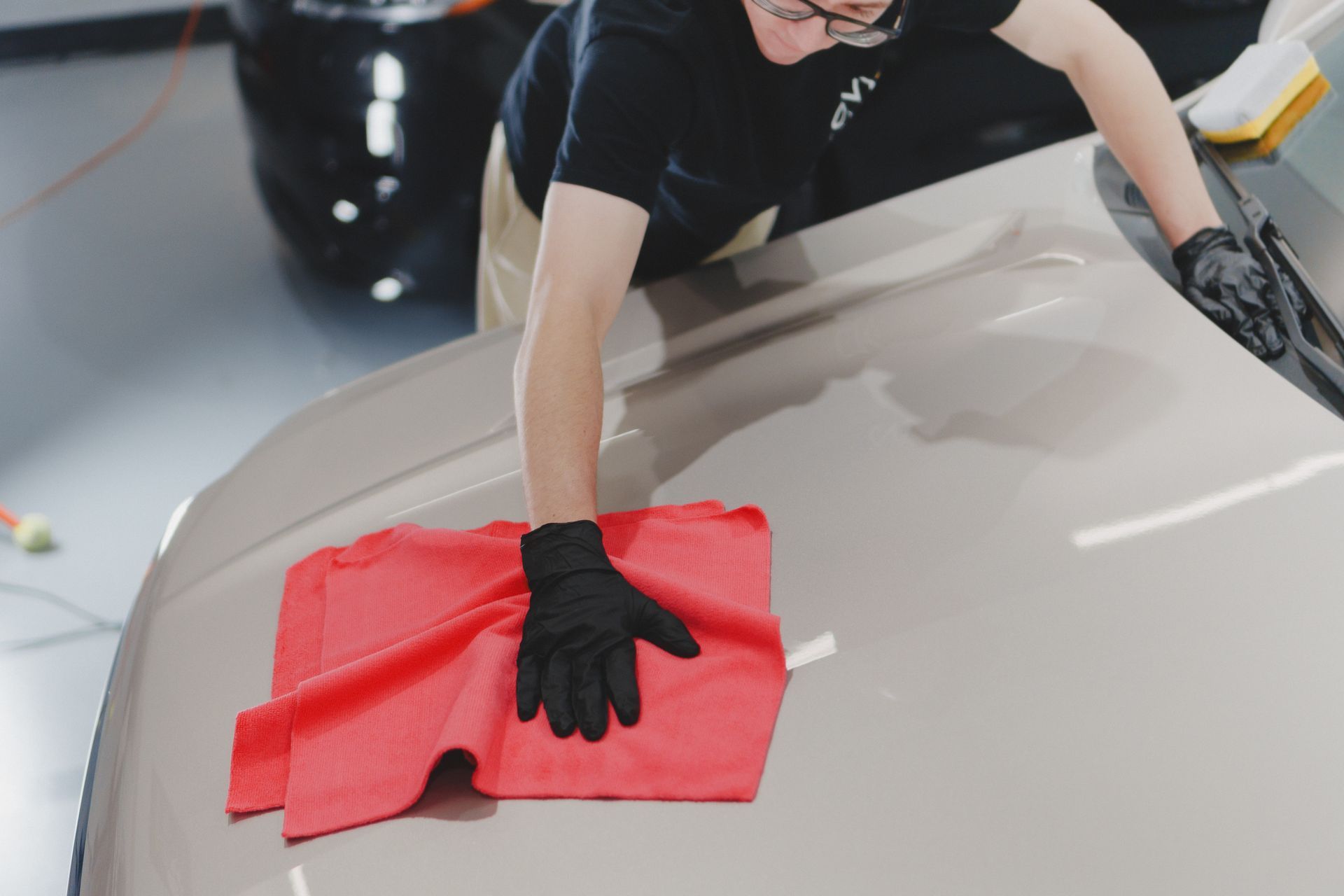
The right drying technique: - Use a high-quality, plush microfiber drying towel with a deep pile - Gently blot and drag the towel across the surface—don’t scrub - Have two or three towels ready so you can switch when one becomes saturated - Pay special attention to crevices, side mirrors, and door handles where water accumulates
In sub-freezing temperatures, dry your car in a garage if possible, or immediately after washing while the surface is still warm from the wash water.
4. Apply a Ceramic Booster Spray
Think of ceramic booster spray as “recharging your shield.” While your ceramic coating provides long-term protection, a booster spray adds a sacrificial layer that takes the brunt of winter contamination, making your maintenance washes more effective.
What it does: A silica-based spray sealant or “topper” refreshes the hydrophobic properties of your coating, restoring that satisfying water beading and sheeting action. It also adds slickness to the surface, making it harder for salt and grime to bond.
How to apply: - On a clean, dry surface, spray a light mist onto one panel at a time - Immediately buff with a clean microfiber towel using circular motions - Work panel by panel until the entire vehicle is treated - Apply every 2-3 months during winter, or after particularly harsh weather conditions
This step takes just 15-20 minutes but dramatically improves your coating’s performance during the months when it matters most.
5. Be Gentle with Ice Removal
Winter mornings often mean dealing with frost, ice, or snow on your vehicle. How you remove it makes a significant difference in protecting your paint and coating.
Never scrape ice directly off painted surfaces. Ice scrapers are designed for glass only. When you drag a scraper across paint (even ceramic-coated paint), you’re dragging any grit and sand trapped in the ice across the surface, creating thousands of microscopic scratches.
Safe ice removal practices: - Use a snow brush or soft broom only on windows and glass - For ice on painted surfaces, start your car and let the defroster warm the exterior gradually - If you must remove snow from the paint, use a soft foam brush designed specifically for car snow removal - Consider a snow foam or de-icing spray that safely loosens ice without requiring scraping - For thick ice buildup on paint, patience is better than force—let the car warm up
The few extra minutes you spend being gentle will save you from permanent damage that no amount of coating can fix.
The Onyx Advantage: Why Quality Matters
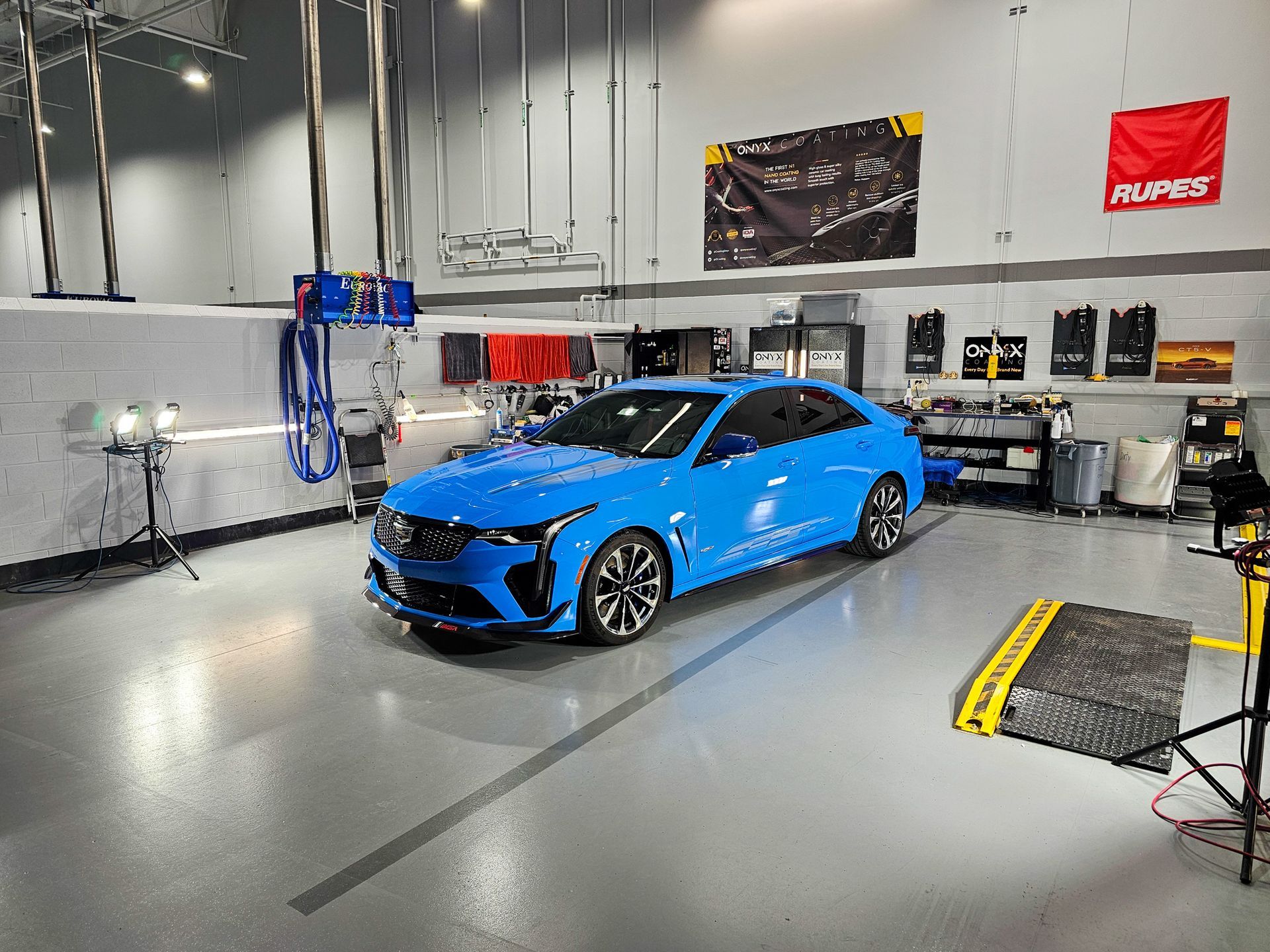
Not all ceramic coatings are created equal, and the difference becomes most apparent during winter’s stress test. At 1469 Super Center, we’re proud to be an Authorized Onyx Installer, a distinction that reflects both our expertise and our commitment to using only the best products.
What makes Onyx different? Onyx Coating’s professional-grade ceramic coatings feature: - 10H hardness rating: The highest level of scratch resistance in the coating industry, providing superior protection against the abrasive assault of winter road grime - N1 smoothness rating: An ultra-slick surface that makes it harder for salt, dirt, and contaminants to bond with your paint - Enhanced chemical resistance: Professional-grade formulations that stand up to the harsh pH levels of road salt and de-icing chemicals far better than consumer-grade products
Why professional installation matters: The DIY ceramic coating kits available at auto parts stores simply can’t match the durability, thickness, or longevity of professional-grade products like Onyx. More importantly, proper installation requires meticulous paint preparation, precise application technique, and controlled curing conditions (factors that determine whether your coating lasts two years or seven years).
When you choose 1469 Super Center for ceramic coating, you’re not just paying for the product; you’re investing in over two decades of installation expertise and access to coating technology that isn’t available to the general public. That investment pays dividends every time you watch salt-covered slush slide right off your paint instead of clinging to it.
When to Visit 1469 Super Center
Even with diligent home maintenance, there are times when professional intervention is necessary to restore your ceramic coating to peak performance.
Signs your coating needs professional attention: - Water stops beading even after thorough washing - The paint feels rough or gritty to the touch after washing - You notice dull patches or areas where the gloss seems diminished - Salt residue won’t come off with normal washing - It’s been more than a year since your coating was applied
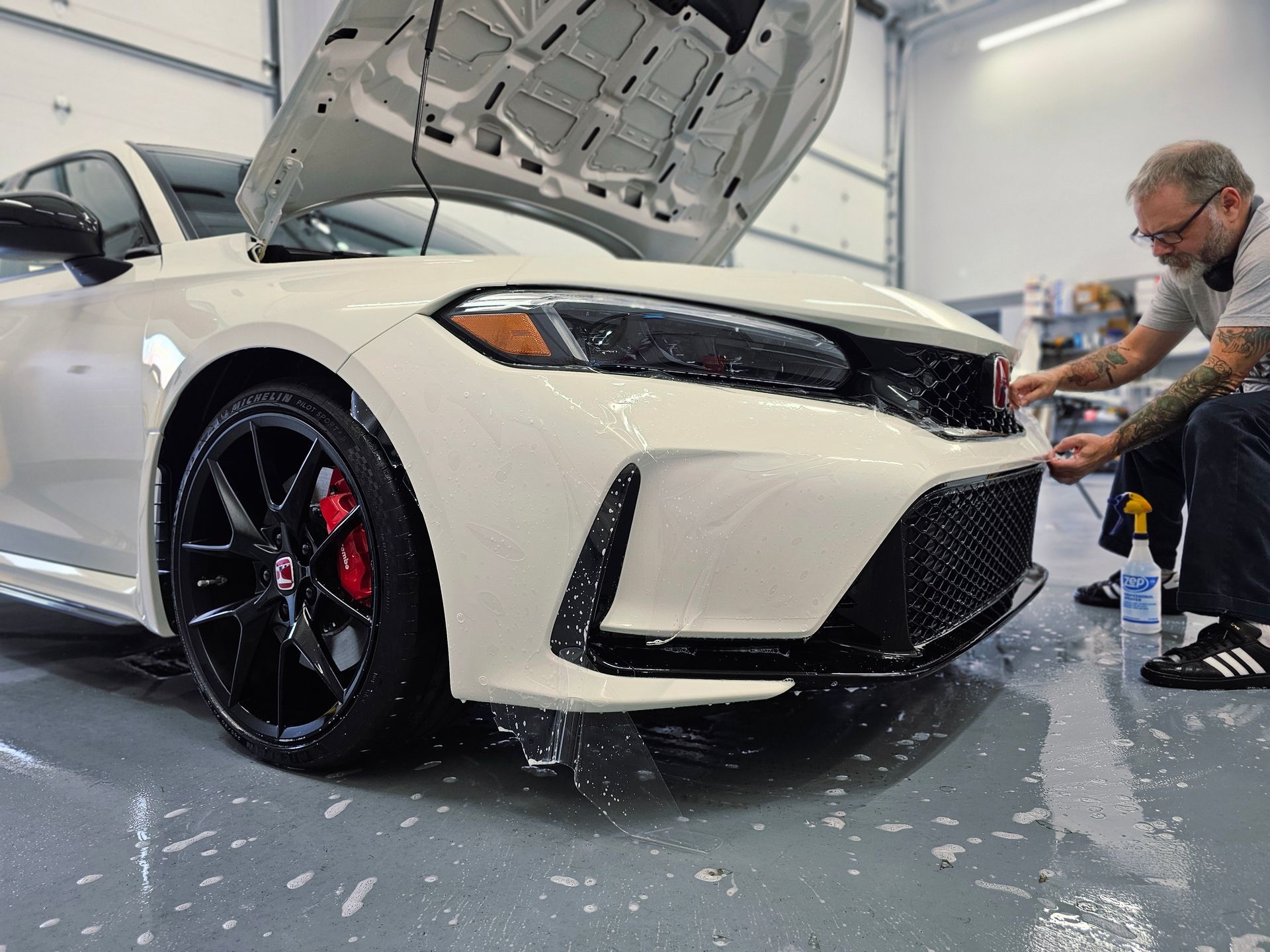
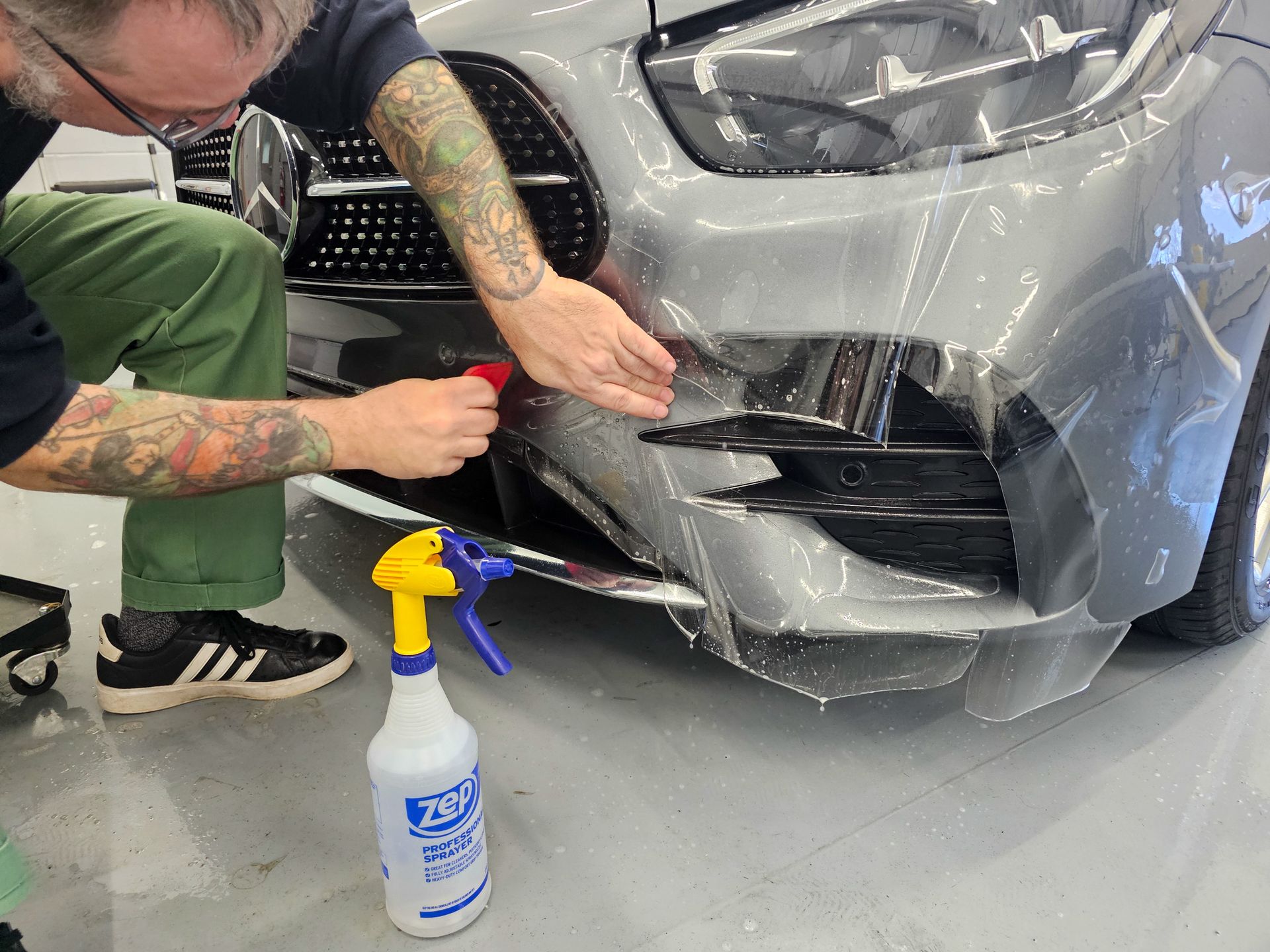
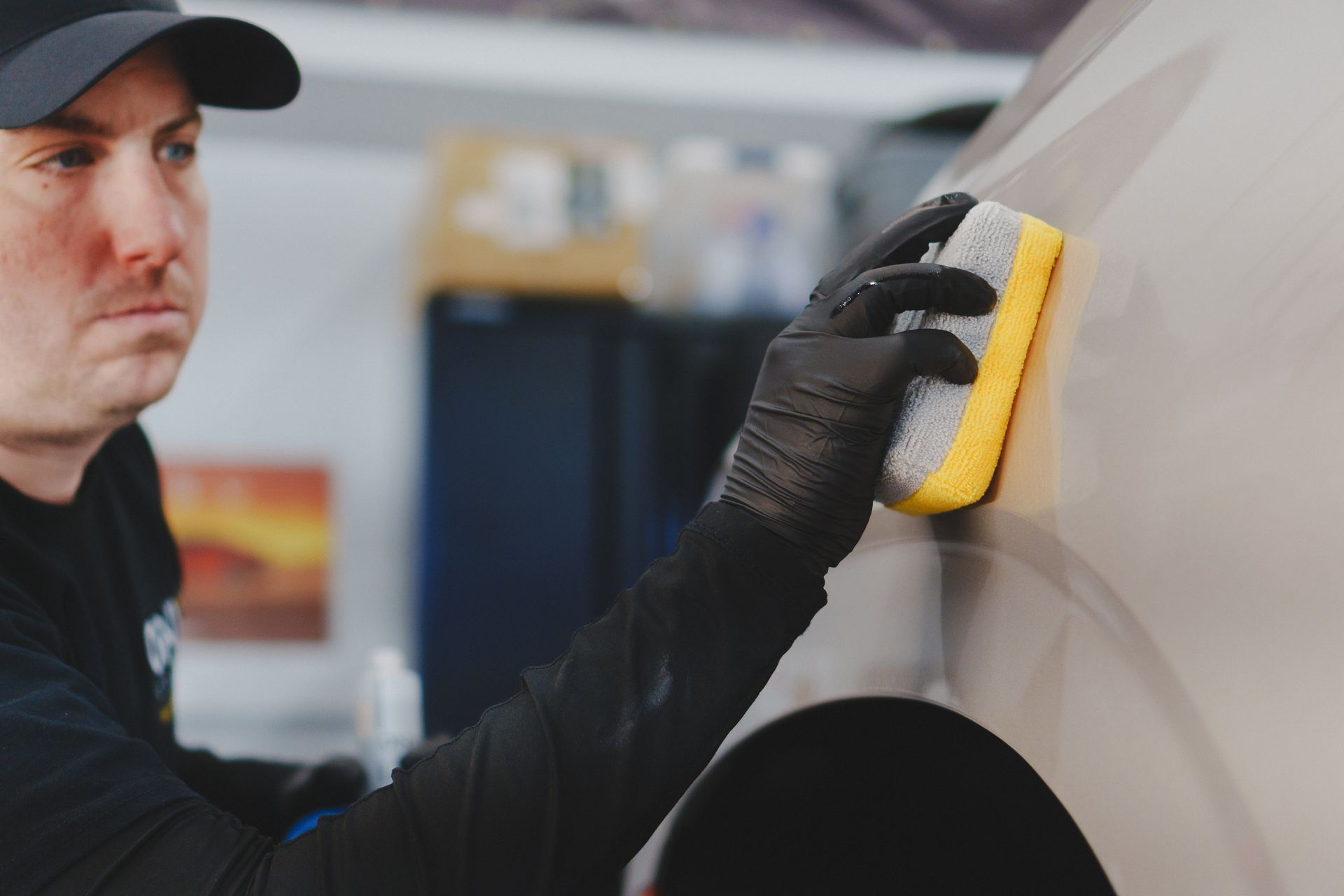
Our professional maintenance services: Sometimes a standard hand wash isn’t enough to address deep contamination. At 1469 Super Center, we offer a Decontamination Wash specifically designed for ceramic-coated vehicles. This service uses professional-grade clay bar treatment, iron removers, and specialized techniques to safely strip away embedded contaminants without harming your coating.
We also provide coating inspection and maintenance top-up services. Our technicians can assess your coating’s condition, identify any areas that need attention, and apply a professional-grade maintenance layer to restore optimal performance.
Why choose 1469 Super Center?
Our team brings decades of experience working specifically with Indiana winters. We understand the unique challenges Fort Wayne drivers face, from the aggressive salt mixtures used by local road crews to the rapid temperature swings that characterize our climate. This local expertise, combined with our status as an Authorized Onyx Installer, means you’re getting service tailored specifically to protect your vehicle in this environment.
Trusted. Experienced. Detailed. These aren’t just words on our sign. They’re the principles that have guided our work since 1999. When you trust us with your vehicle, you’re tapping into a quarter-century of detailing expertise and a reputation built on thousands of satisfied customers throughout Fort Wayne and beyond.
Final Thoughts
Winter doesn’t have to be your car’s paint worst enemy. With the right ceramic coating and (equally important) the right maintenance approach, your vehicle can emerge from Indiana’s harshest months looking as good as it did when the leaves started falling.
Remember the five essential rules:
1. Wash frequently with the two-bucket method
2. Use pH-neutral soap designed for ceramic coatings
3. Dry immediately with quality microfiber towels
4. Apply a ceramic booster spray every 2-3 months
5. Be gentle when removing ice and snow
These simple practices, consistently applied, will keep your ceramic coating performing at its peak, protecting your paint investment for years to come.
Not coated yet? Or need a maintenance top-up?
Don’t wait until spring damage is already done. Winter is actually the perfect time to add ceramic coating protection or restore your existing coating to peak performance. Our team at 1469 Super Center is ready to help you winterproof your vehicle with professional ceramic coating services that stand up to everything Indiana weather can throw at you.
Book your appointment
at 1469 Super Center in Fort Wayne today. Call us, visit our website, or stop by our location. Let’s make sure your car not only survives this winter, but thrives through it.