Heat Resistance in Ceramic Coatings: Breaking Down the Thermal Limits
Ceramic coatings are often marketed as “heat resistant,” but what does that actually mean for your vehicle? The truth is that not all ceramic coatings perform the same way under heat, and their effectiveness depends on how and where they are applied.
At
1469 Super Center, the goal is not to oversell ceramic coating. Instead, it is to help you understand what it really does, what it does not do, and whether it is the right solution for your vehicle, especially in hot and high-sun environments.
What Does Heat Resistance Mean in Ceramic Coatings?
When discussing heat resistance in ceramic coatings, it refers to the coating’s ability to withstand elevated temperatures without degrading or losing performance.
Most automotive ceramic coatings are made from SiO₂-based liquid polymers that bond to your vehicle’s paint. Once cured, they create a thin, durable layer that helps protect against UV radiation, oxidation and fading, chemical damage, and environmental contaminants.
It is important to distinguish between paint protection coatings and true thermal barrier coatings. While both can handle heat, they serve very different purposes.
How Hot Can Ceramic Coatings Get?
Many ceramic coatings are designed to tolerate high temperatures, but their limits vary depending on the formulation.
In general:
- Standard automotive ceramic coatings can handle significant heat exposure from sunlight and environmental conditions
- Some high-temperature ceramic coatings can withstand around 1,200°F to 1,600°F or more
- Specialized industrial coatings used on exhaust systems and engine parts can tolerate even higher temperatures
That said, exterior ceramic coatings applied to paint should not be mistaken for engine-grade thermal coatings. They are durable but not designed to manage extreme mechanical heat.
How Ceramic Coatings Protect Vehicle Paint From Heat
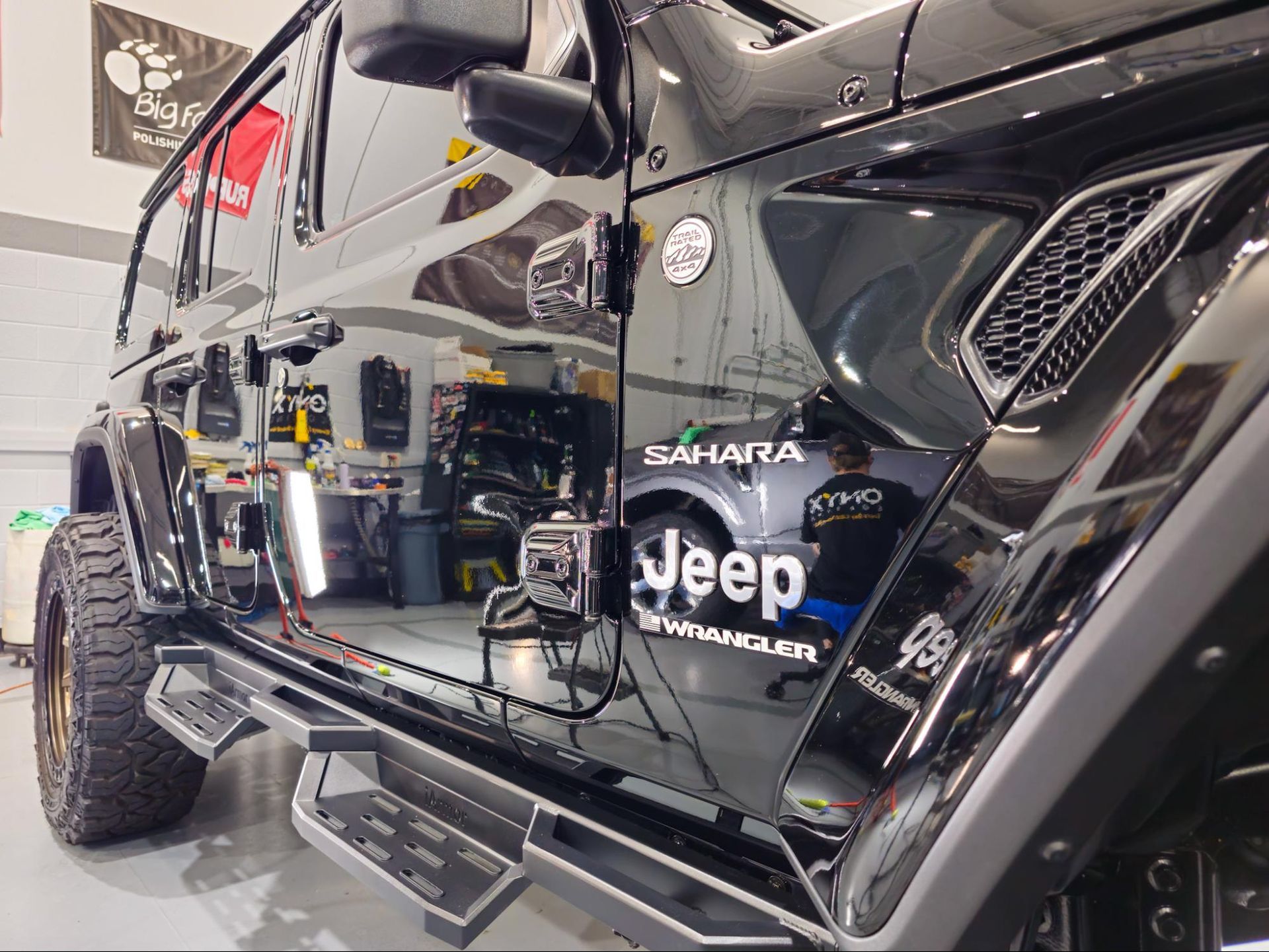
Even though they are not true heat shields, ceramic coatings still play an important role in protecting your vehicle from heat-related damage.
They help reduce the effects of UV exposure, which is one of the biggest threats to automotive paint. Over time, it causes fading, oxidation, and discoloration. A ceramic coating adds a protective layer that slows this process.
The coating also creates a hydrophobic surface, meaning water, dirt, and contaminants have a harder time sticking. This keeps the paint cleaner, which improves light reflectivity and slightly reduces heat absorption.
Additionally, ceramic coatings protect against common contaminants like bird droppings, tree sap, and road grime, which can worsen paint damage when exposed to heat.
Do Ceramic Coatings Actually Reduce Heat?
This is where expectations need to stay realistic.
Ceramic coatings can help your vehicle’s surface stay cleaner and more reflective, which may slightly reduce how much heat the paint absorbs. However, they do not significantly lower the temperature of your car or its interior.
If your goal is to reduce cabin heat, solutions like ceramic window tint are far more effective.
In short, ceramic coatings help manage the effects of heat on your paint, but they do not function as insulation.
Ceramic Coating vs Thermal Barrier Coating
Understanding the difference between these two types of coatings is essential.
Exterior ceramic coatings are designed primarily for paint protection, gloss, and ease of maintenance. They form a microscopic layer over your vehicle’s paint and are ideal for daily drivers.
Thermal barrier coatings are engineered specifically for heat management. They are applied to components like exhaust systems, turbo housings, and engine parts to reduce heat transfer and protect performance components.
They are thicker, more specialized, and built for extreme temperatures, unlike standard automotive ceramic coatings.
Benefits of Ceramic Coating in Hot Climates
For vehicle owners in hot and sunny environments, ceramic coating offers several practical advantages.
It helps slow UV-related fading and oxidation, which is especially important for cars parked outdoors. The coating also preserves the paint’s gloss, helping the vehicle look newer for longer.
Because of its hydrophobic properties, washing becomes easier and less frequent, which is a major benefit in dusty or high-exposure areas.
Over time, ceramic coating acts as a long-term protective layer that helps maintain your vehicle’s appearance despite harsh environmental conditions.
Thermal Limits Vehicle Owners Should Understand
Ceramic coatings are durable, but they are not indestructible.
They will not prevent rock chips, dents, or deep scratches. They also will not compensate for poor maintenance habits.
Performance depends heavily on proper preparation and application. If the surface is not properly cleaned and corrected before installation, the coating may not bond effectively.
It is also worth noting that heat resistance varies depending on the product used and the skill of the installer.
Why Professional Application Matters
A professional ceramic coating service makes a significant difference in both performance and longevity.
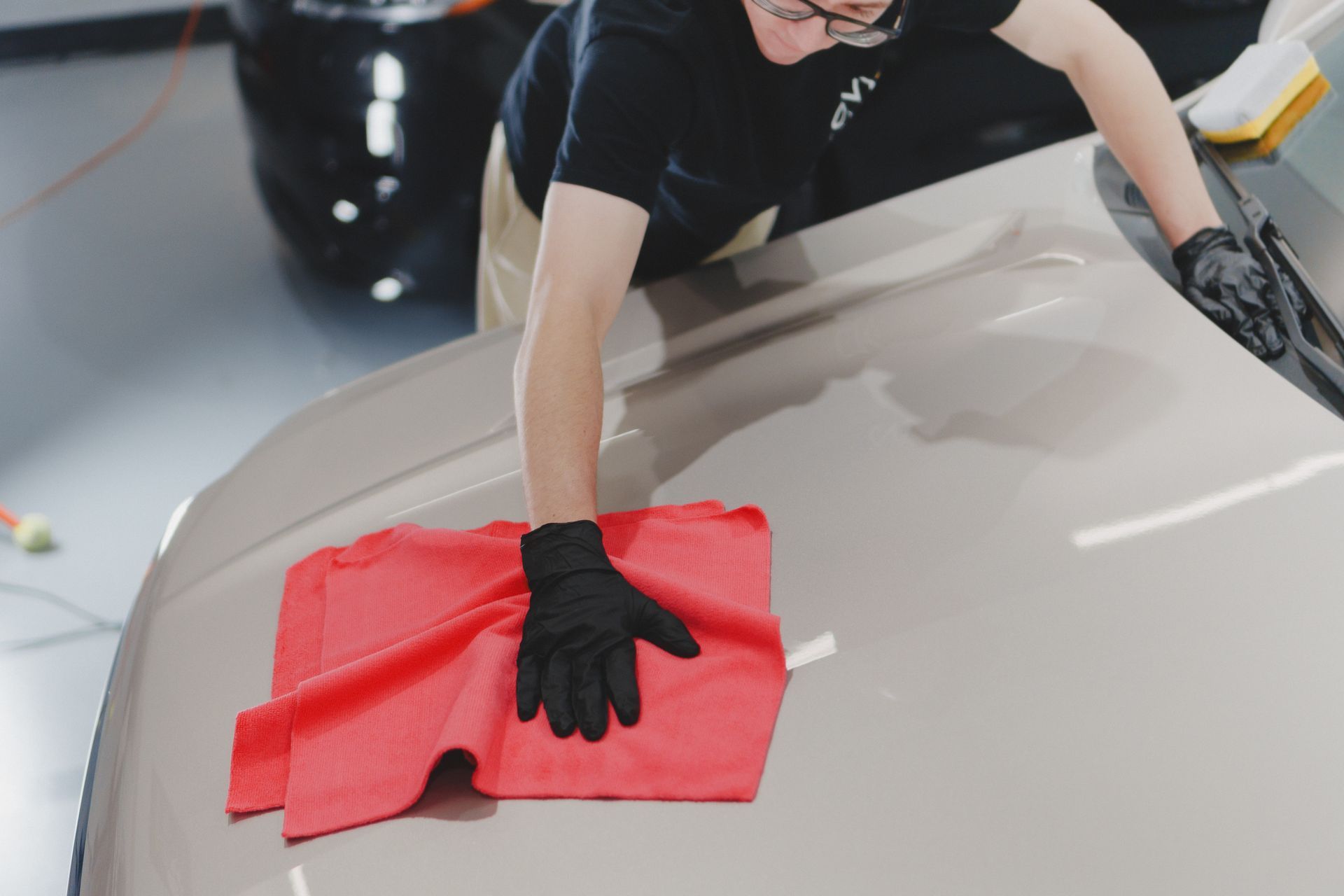
The process typically includes thorough washing, chemical decontamination, clay bar treatment, and paint correction to remove imperfections before application.
Once the surface is properly prepared, the coating is applied evenly in a controlled environment and allowed to cure correctly. This ensures maximum durability and effectiveness.
At 1469 Super Center, the focus is on proper preparation, product selection, and precise application to deliver consistent, long-lasting results.
Is Ceramic Coating Worth It for Your Vehicle?
Ceramic coating is a worthwhile investment for many vehicle owners, especially those dealing with high heat and constant sun exposure.
It is particularly beneficial if your car is parked outside regularly, exposed to UV rays, or if you want to reduce maintenance while preserving a high-gloss finish.
The key is having realistic expectations. Ceramic coating will not make your car immune to damage, but it will significantly improve protection, appearance, and ease of care when applied correctly.
Protect Your Vehicle with 1469 Super Center
Protect your vehicle from harsh sun, heat, and everyday contaminants with professional ceramic coating from 1469 Super Center. Contact our team today to learn which coating option is right for your vehicle.
FAQs
Does ceramic coating protect against heat?
Yes, it helps protect your vehicle’s paint from heat-related damage like UV exposure, oxidation, and environmental stress. However, it is not the same as a thermal barrier coating.
Does ceramic coating make a car cooler?
Not significantly. It may improve reflectivity, but it does not reduce cabin temperature. Window tint is more effective for that purpose.
What temperature can ceramic coating withstand?
Some high-temperature ceramic coatings can tolerate around 1,200°F to 1,600°F or more, depending on the formulation.
Is ceramic coating good for hot climates?
Yes, it is especially useful in hot climates where UV exposure, heat, and contaminants can damage vehicle paint more quickly.
Does ceramic coating stop paint from fading?
It helps reduce fading by blocking UV exposure and slowing oxidation, but proper maintenance is still necessary.