The Role of Ceramic Coating in Reducing Water Spotting
Water spots are one of the most frustrating things a car owner deals with. They show up after a rainstorm, after a trip through the car wash, or even after a quick rinse in the driveway. They look minor at first, just a little haze or a few white rings, but left untreated, they can permanently damage your vehicle's paint. The good news is that ceramic coating offers a meaningful layer of defense. At 1469 Super Center, we apply professional-grade ceramic coatings that help your vehicle shed water faster, resist mineral bonding, and stay cleaner between washes.
This guide walks you through exactly how water spots form, what ceramic coating does to reduce them, what realistic expectations look like, and how to maintain your vehicle's protection over time.
What Are Water Spots and Why Do They Matter?
Water spots form when water lands on a vehicle's surface and evaporates, but the minerals dissolved in that water do not evaporate with it. What gets left behind is a deposit of calcium, magnesium, and other hard water minerals that dry onto the paint surface. Over time, those deposits build up, cloud the finish, and if exposed to heat or UV light long enough, they begin to etch into the clear coat.
There are generally two types of water spots worth understanding:
Surface-level mineral deposits are the more common kind. These form when water dries on paint and leaves a white, chalky residue behind. They sit on top of the clear coat and, if addressed quickly, can usually be removed with a proper wash or a light detailing spray.
Etched water spots are more serious. These occur when mineral-rich water sits on the surface long enough, especially in hot or sunny conditions, that the deposits bond chemically with the clear coat. At that point, removal often requires polishing or paint correction. If left long enough, the damage becomes permanent.
Beyond the cosmetic issue, water spot damage affects resale value. A vehicle with a dull, spotted, or etched finish is harder to sell at full market value and signals to buyers that it has not been properly maintained.
How Ceramic Coating Works
Ceramic coating is a liquid polymer that bonds to a vehicle's clear coat at a molecular level. Once cured, it forms a durable, semi-permanent protective layer over the paint surface. The chemistry behind this protection comes down to two primary properties: hydrophobicity and surface smoothness.
Hydrophobicity
Hydrophobicity refers to a surface's ability to repel water. A highly hydrophobic surface causes water droplets to bead up tightly and roll off rather than spread out and sit flat. The measurement used to describe this is called the contact angle, which is the angle at which a water droplet meets the surface. The higher the contact angle, the better the water repellency. Ceramic coatings are engineered to produce high contact angles, which means water beads up quickly and sheds off the surface much faster than it would on unprotected paint or even wax.
This is relevant for water spotting because the less time water spends on your paint, the less time minerals have to settle and begin bonding to the surface.
Surface Smoothness
At a microscopic level, automotive paint, even fresh paint, has tiny pores and irregularities. These small gaps give minerals, contaminants, and airborne particles places to settle and stick. Ceramic coating fills in those microscopic imperfections, creating a much smoother surface that provides contaminants fewer places to latch onto.
The result is a surface that not only repels water but also resists the kind of surface contamination that makes water spots worse and harder to remove.
How It Compares to Wax and Paint Sealants
Traditional wax provides a hydrophobic layer, but it is relatively soft and breaks down quickly under UV exposure, heat, and washing. A wax layer typically lasts a few weeks to a couple of months before it needs to be reapplied.
Paint sealants are synthetic and last longer than wax, often up to six months, but they still degrade with regular exposure to the elements.
Ceramic coatings are in a different category. A professionally applied ceramic coating can last several years, maintains its hydrophobic performance significantly longer than wax or sealants, and provides a much harder protective surface. It bonds to the clear coat rather than simply sitting on top of it, which is why the durability difference is so significant.
Ceramic Coating's Role in Reducing Water Spotting
With the foundation in place, here is how ceramic coating directly reduces water spotting on your vehicle.
Water Beads and Sheds Before It Can Dry
The hydrophobic surface created by ceramic coating causes water to form tight, round droplets with a high contact angle. These droplets do not spread and flatten across the surface. They roll off easily with movement or wind. When you drive after a rain shower, or rinse your vehicle and then pull it out of the driveway, much of that water slides away before it has a chance to evaporate and leave minerals behind.
This is the primary mechanism through which ceramic coating reduces water spotting frequency. It is not that minerals are removed from the water. Rather, the water leaves the surface before minerals can settle.
Mineral Deposits Are Less Likely to Bond
On unprotected paint, hard water minerals can penetrate microscopic surface irregularities and begin bonding directly to the clear coat, especially under heat. On a ceramic-coated surface, the smooth, chemically resistant barrier makes it significantly harder for those minerals to get a foothold. Water spots that do form on ceramic coating tend to sit on top of the coating layer rather than bonding to the paint beneath it.
This means that when spots do appear, they are typically much easier to remove. A proper maintenance wash or a quality detailing spray is usually enough to lift them. You do not need polishing or correction at anywhere near the frequency you would on unprotected paint.
Reduced Need for Paint Correction
On unprotected vehicles, persistent water spotting often leads to the need for polishing, which is an abrasive process that removes a thin layer of clear coat to level out surface damage. Over time, repeated polishing thins the clear coat. Ceramic coating helps reduce how often correction is necessary by keeping water spots from etching in the first place, which extends the long-term health of your paint.
Enhanced Gloss and Appearance
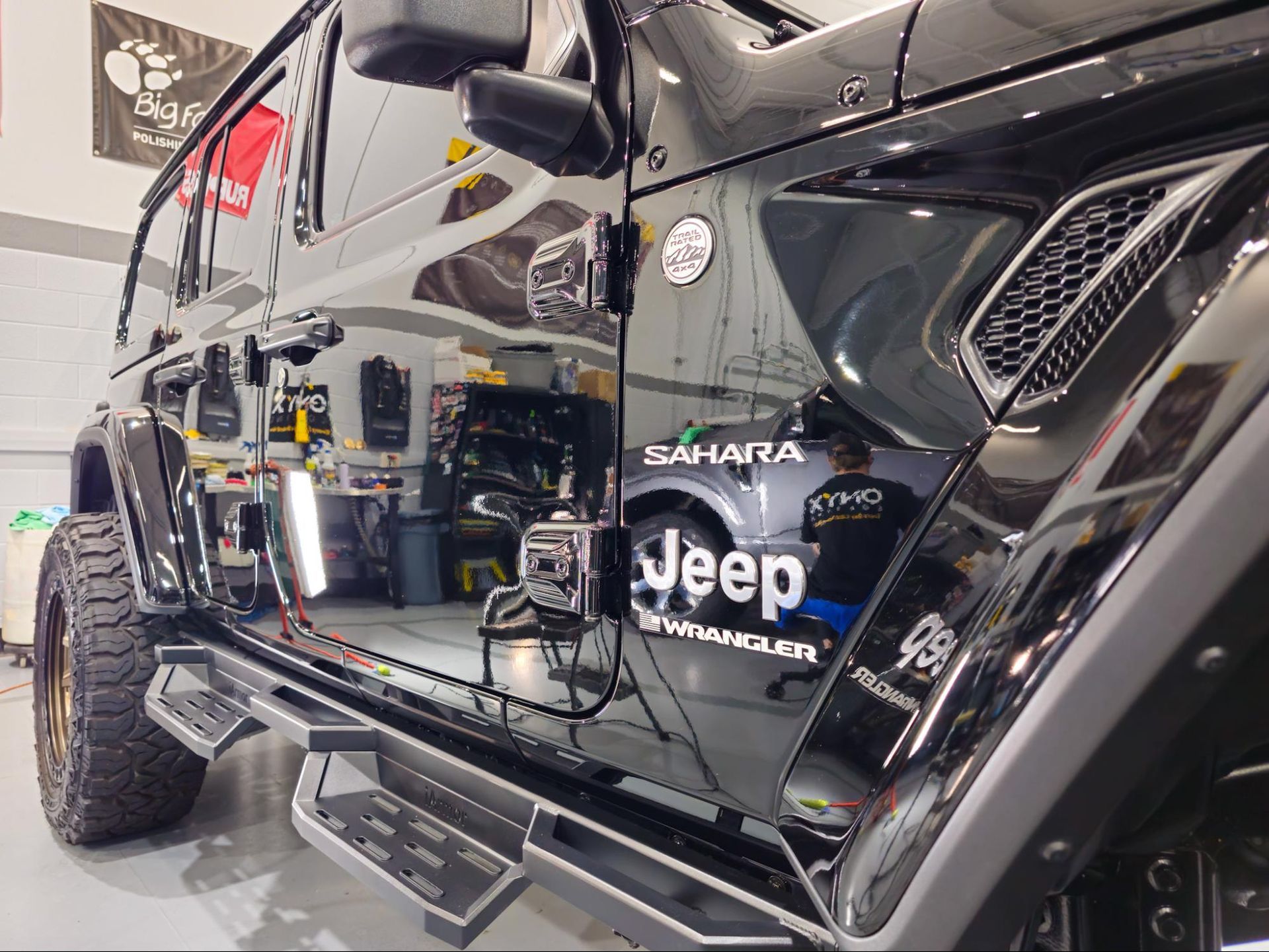
Beyond protection, ceramic coating produces a noticeably deeper, more reflective finish. The smooth surface it creates amplifies the reflective properties of your paint, giving the vehicle a showroom-quality appearance that holds up well over time.
Realistic Expectations: What Ceramic Coating Does and Does Not Do
We want to be clear about what ceramic coating can and can't do for water spotting, as managing expectations is part of giving you an honest picture of the service.
Ceramic coating reduces water spotting significantly. It does not eliminate it entirely.
Under certain conditions, water spots will still form on a ceramic-coated vehicle. If water sits on the surface for an extended period, especially in direct sunlight or high heat, mineral deposits can still dry and leave marks. This is particularly true in areas with very hard water, where mineral concentrations are high enough to leave deposits even on hydrophobic surfaces.
There is also a visibility factor worth noting. Because ceramic coating produces a high-gloss surface, water spots can sometimes appear more visible against that reflective finish than they would on duller, unprotected paint. The coating is working, and the spots are easier to remove without etching the paint, but the gloss can make them more visible.
The key takeaway is this: ceramic coating is a powerful tool for reducing water spot frequency, severity, and permanence. It is not a maintenance-free solution. Combining it with proper washing and drying practices is what delivers the best results.
Maintenance Tips for Keeping Water Spots at Bay
Getting a ceramic coating is a strong first step. Maintaining it correctly is what keeps it performing at the level you expect.
Dry Your Vehicle After Every Wash
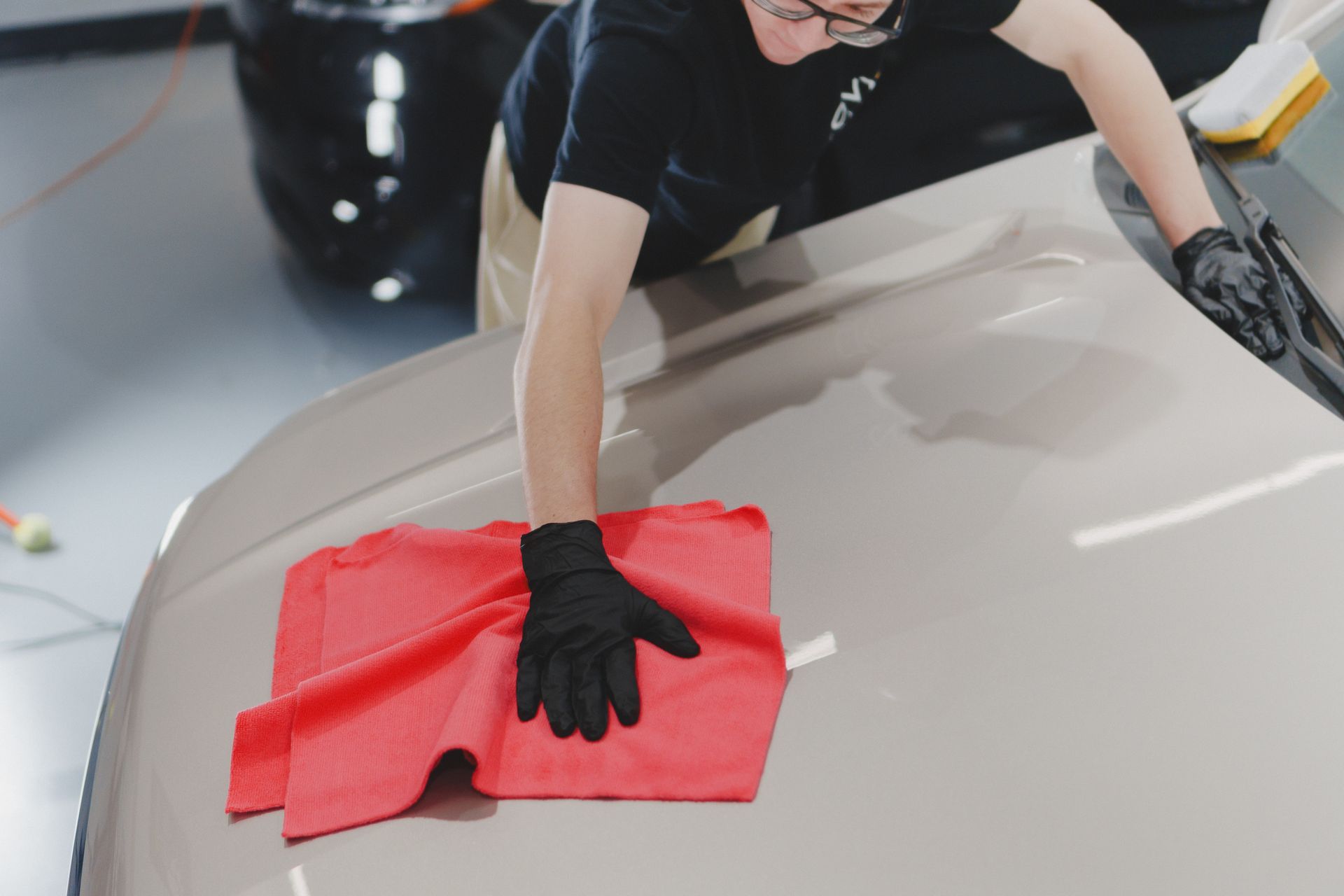
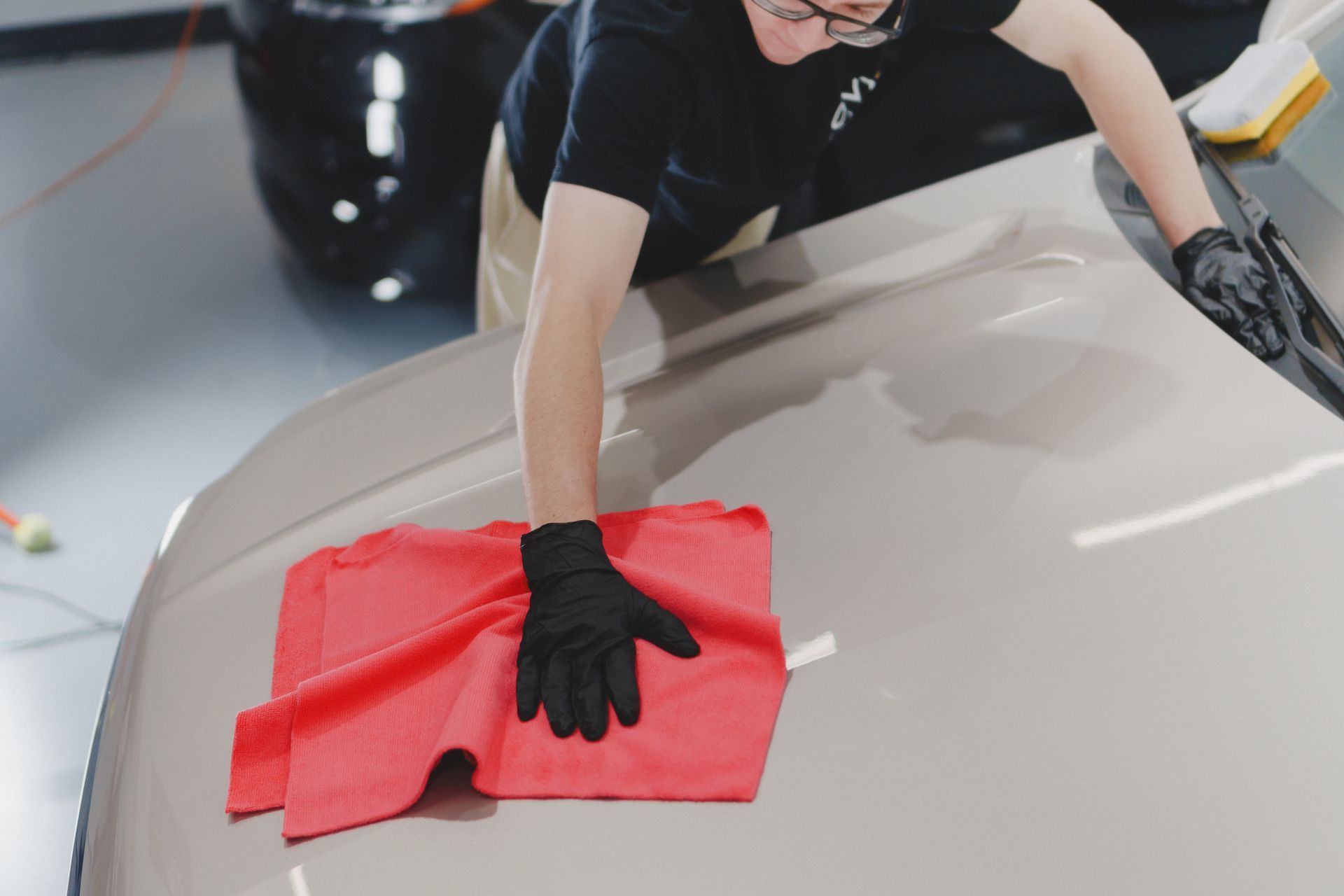
The single most effective thing you can do to prevent water spots on a ceramic-coated vehicle is to dry it promptly after washing or exposure to rain. Use a clean microfiber drying towel or a powered air blower designed for detailing. Do not let the vehicle air dry in the sun, as that is exactly the condition where mineral deposits are most likely to settle and stick, even on a coated surface.
Use Filtered or Deionized Water When Possible
If you wash your vehicle at home, using deionized or filtered water for your final rinse removes the mineral content that causes spotting in the first place. This is a straightforward upgrade that makes a real difference over time, especially if your local water supply is hard.
Wash Regularly and Correctly
Regular washing keeps mineral buildup, road grime, and contaminants from accumulating on the coating's surface. Use a pH-neutral car wash soap rather than dish soap or all-purpose cleaners, which can degrade the coating over time. The two-bucket wash method reduces the risk of introducing swirl marks or scratches during the wash process.
Apply a Ceramic Booster Spray Periodically
Ceramic maintenance sprays, sometimes called coating boosters or topper sprays, refresh the hydrophobic properties of your coating between professional services. After a thorough wash, a quick application of a compatible booster spray helps maintain the contact angle performance that keeps water beading and rolling off properly.
Schedule professional maintenance washes.
Even with regular at-home care, bringing your vehicle in for a professional maintenance wash periodically helps keep the coating in top condition. A trained detailer can identify early signs of contamination or coating degradation and address them before they become bigger issues.
Why Choose 1469 Super Center for Ceramic Coating
A professional application makes a significant difference in how a ceramic coating performs and how long it lasts.
At 1469 Super Center, we follow a thorough preparation process before applying any coating. That includes a full wash, clay bar decontamination to remove bonded surface contaminants, and paint correction to address any existing swirl marks, light scratches, or water spot etching. Applying ceramic coating over contaminated or imperfect paint traps those issues under the coating and limits how well it bonds, which is why proper prep is non-negotiable in our process.
We use professional-grade ceramic coatings designed for durability, chemical resistance, and long-term hydrophobic performance. Our application process includes proper curing time and conditions to ensure the coating bonds fully to your vehicle's clear coat.
We also work with you on what to expect after the service, including the initial cure window, the first wash timeline, and the maintenance practices that will keep your coating performing for years. If your area is known for untreated water, we can factor that into the conversation so you have a maintenance plan that reflects your real-world conditions.
Our goal is straightforward: we want your vehicle to stay cleaner longer, look better longer, and need less corrective work over time.
Final Thoughts
Water spots are a persistent problem for vehicle owners, but they are not one you have to accept as inevitable. Ceramic coating works by creating a hydrophobic, smooth surface that causes water to bead and shed before minerals can settle, makes any spots that do form easier to remove, and protects your clear coat from the deeper etching that leads to paint correction.
The best results come from combining a professionally applied ceramic coating with consistent, proper maintenance, including regular washing, prompt drying, and periodic booster applications.
If you want to protect your vehicle's finish and reduce the time you spend dealing with water spots, we are ready to walk you through your options.
Contact 1469 Super Center to schedule your ceramic coating consultation and find out which coating package is right for your vehicle.