Solvent vs Water Based Ceramic Coating | 1469 Super Center
If you've been researching ceramic coating for your vehicle, you've probably noticed that not all products look or perform the same. Some come in professional-grade kits with strong odors and strict application requirements. Others are sold as consumer sprays that can be applied in a driveway with minimal preparation. The label might say "ceramic coating" on both, but the experience and protection they deliver can be very different.
The biggest reason for that gap comes down to the carrier system: specifically, whether the coating is solvent-based or water-based. Understanding this distinction will help you make a smarter decision about the type of protection your vehicle actually needs.
Quick Answer
Solvent-based ceramic coatings typically deliver stronger, longer-lasting protection through a deeper bond with your vehicle's clear coat. Water-based ceramic coatings offer easier application, lower odor, and safer handling, making them the more accessible option for DIY use and routine maintenance. Both have real-world value, but they are not interchangeable.
What Is a Solvent-Based Ceramic Coating?
Solvent-based ceramic coatings use chemical solvents, such as mineral spirits or hydrocarbon blends, as the carrier that delivers the active SiO₂ (silicon dioxide) or polysiloxane resin to your vehicle's surface. Once applied, the solvent evaporates, and the coating begins to cross-link and bond directly to the clear coat at a molecular level.
This type of bonding is what sets solvent-based coatings apart. The deeper adhesion and covalent bond mean the coating is not just sitting on the surface. It becomes part of it. That is why solvent-based products are associated with longer durability, stronger chemical resistance, and the kind of protection that holds up over time under real driving conditions.
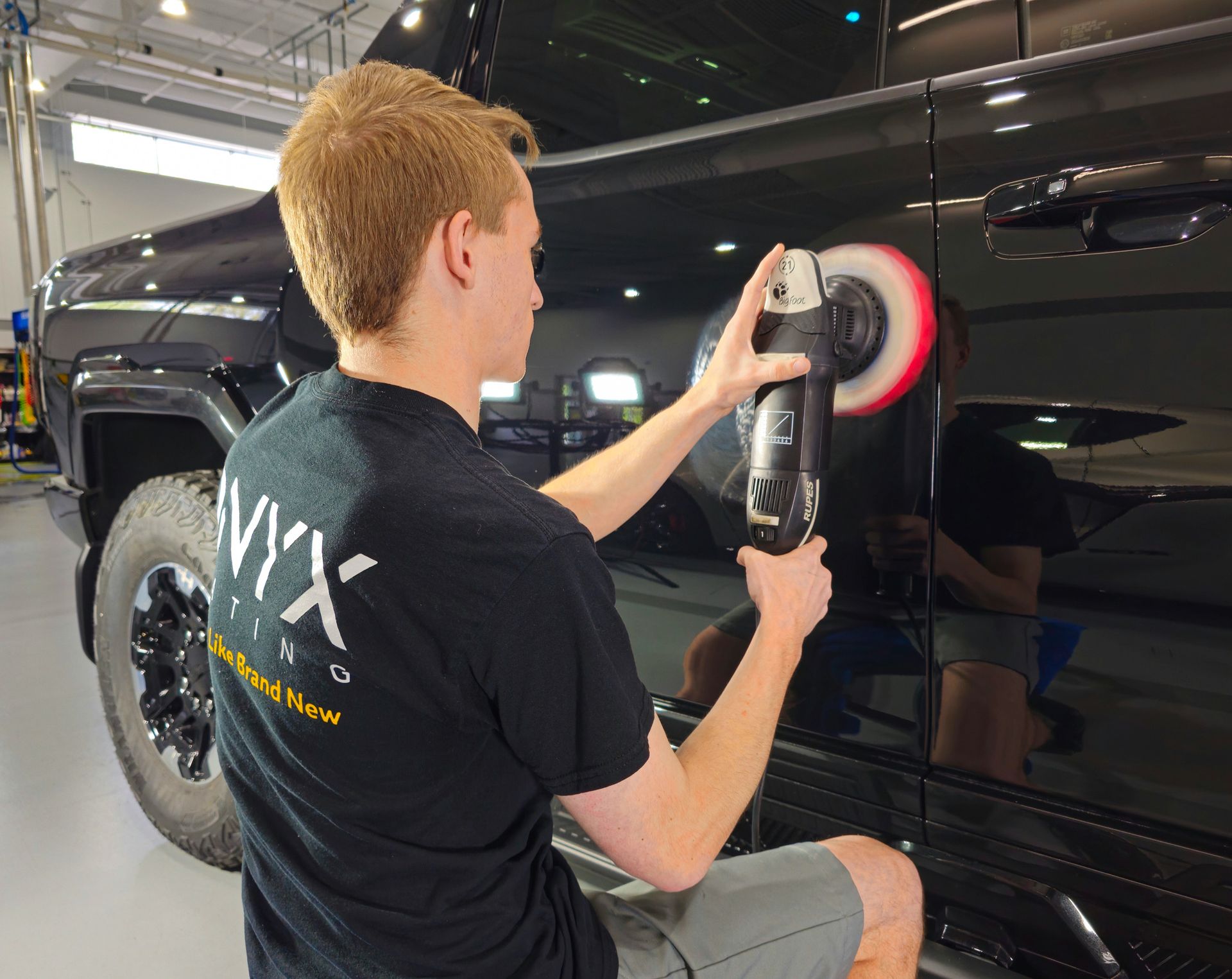
The tradeoffs are real, though. Solvent-based coatings produce stronger odors and higher VOC (volatile organic compound) levels during application. They require proper ventilation, personal protective equipment, and careful handling. The working window is often shorter, meaning mistakes during application are harder to correct. For these reasons, solvent-based ceramic coatings are best suited for professional installation in a controlled shop environment.
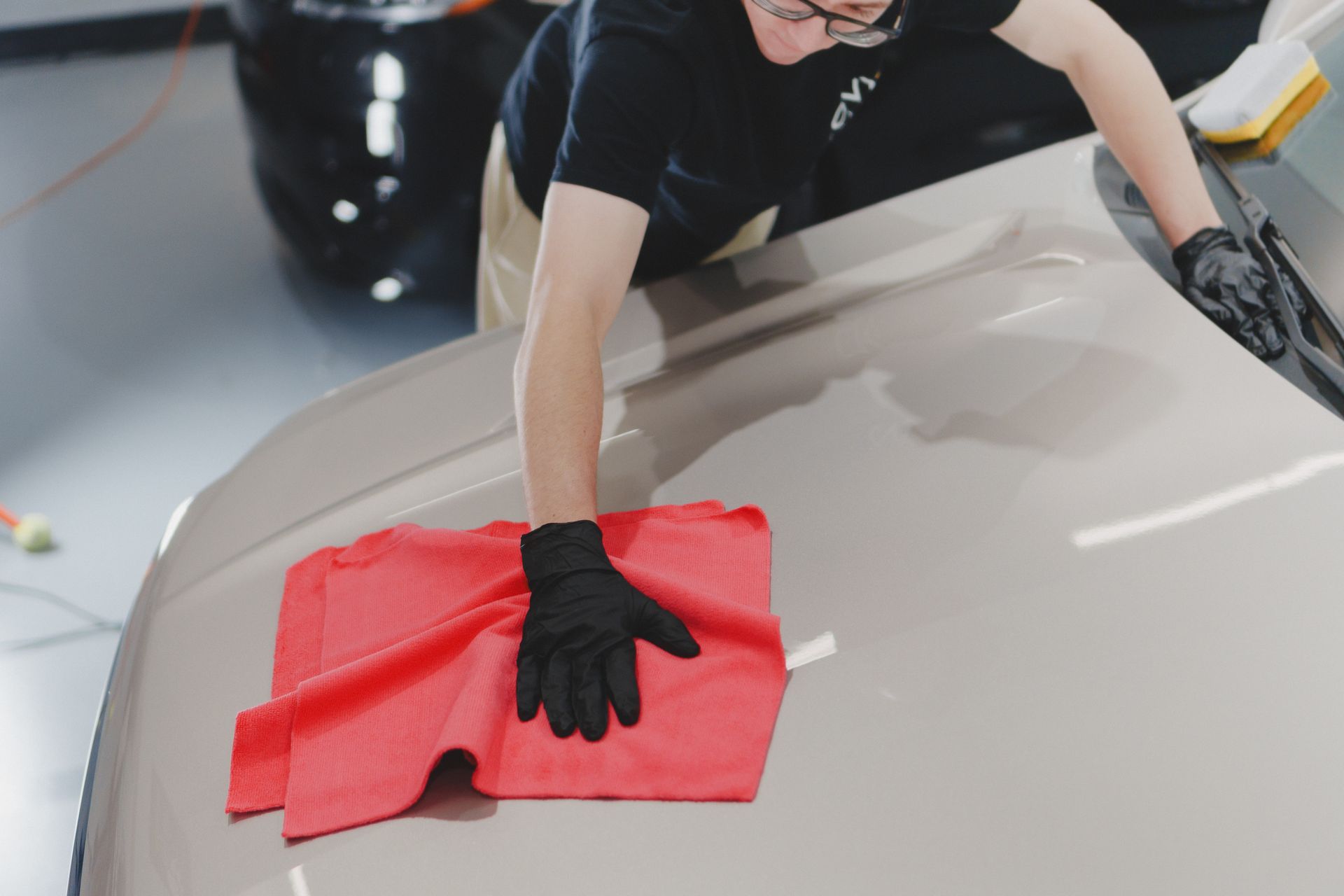
At 1469 Super Center, the ceramic coating services we offer are applied professionally, with the preparation, environment, and technique needed to get the most out of products like these.
What Is a Water-Based Ceramic Coating?
Water-based ceramic coatings use water or deionized water as the carrier instead of chemical solvents. They still contain active protective ingredients, including SiO2, but typically at lower concentrations. The result is a coating that is much easier to apply, produces minimal odor, and carries far fewer VOC concerns.
This is the format you'll find in most consumer ceramic sprays, spray-on boosters, and DIY ceramic coating kits. The application process is more forgiving, cleanup is simpler, and the product is generally safer to use in a garage or open-air setting without specialized equipment.
The tradeoff is that water-based coatings tend to form a more surface-level protective layer rather than the deep, cross-linked bond of a solvent-based product. That means the protection is real but not as long-lived. Many water-based ceramic coatings last several months to a couple of years, depending on the product quality and how the vehicle is maintained.
Water-based coatings are an excellent fit for regular maintenance, seasonal refresh applications, or adding a layer of protection between professional coating services.
Solvent-Based vs Water-Based Ceramic Coatings: Side-by-Side
| Factor | Solvent-Based | Water-Based |
|---|---|---|
| Carrier | Chemical solvent | Water |
| Bonding | Stronger, deeper bond | More surface-level bond |
| Durability | Longer lasting | Shorter to moderate |
| Odor | Strong | Mild |
| VOCs | Higher | Lower |
| Application | More technical | Easier |
| Best for | Professional protection | DIY maintenance |
| Cost | Higher upfront | Lower upfront |
Which One Lasts Longer?
Solvent-based ceramic coatings generally last longer, and the reason comes down to how they bond. The cross-linking reaction between the coating and the clear coat creates a durable matrix that resists chemical exposure, UV degradation, and physical wear more effectively over time.
Water-based coatings can still provide meaningful protection, but because the bonding is more surface-level, that protection tends to diminish more quickly, especially in harsh weather or high-use driving conditions. Think of it as the difference between a permanent installation and a renewable layer that needs to be refreshed more often.
Which One Is Safer to Apply?
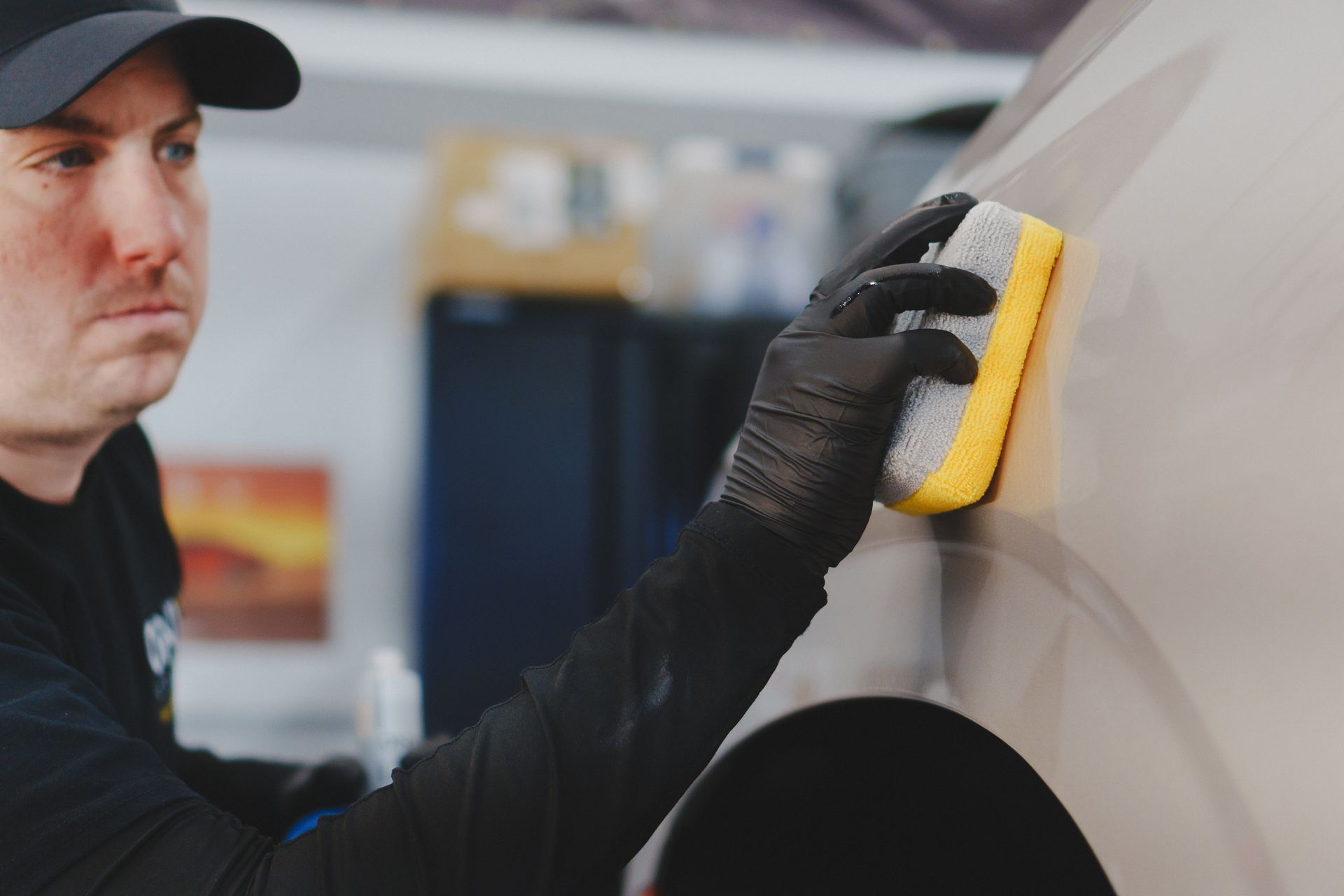
Water-based ceramic coatings win here. Lower VOC content, minimal odor, and easier cleanup make them far more accessible for home use. If you want to apply a coating without a respirator, without worrying about ventilation, and without a significant learning curve, water-based is the appropriate choice.
Solvent-based coatings are not unsafe when handled properly, but they do require more preparation and care. Ventilation is essential, and the application environment matters. This is another reason why professional installation makes a meaningful difference with solvent-based products.
Does Water-Based Mean Weak?
No. A water-based ceramic coating is not a compromise product. It still improves surface gloss, creates hydrophobic behavior that sheds water and contaminants, adds UV resistance, and makes the vehicle easier to wash and maintain. For a car that gets detailed regularly or a driver who wants a reliable DIY protective layer between professional services, a quality water-based coating delivers genuine value.
The distinction is about the use case, not about one being superior across the board. Water-based coatings are not weak. They are purpose-built for a different application scenario.
Which One Should You Choose?
The right ceramic coating depends on what you're trying to accomplish.
Choose a solvent-based ceramic coating if you want maximum durability, the strongest bonding, long-term protection, and professional-level chemical resistance. This is the right call for high-value vehicles, daily drivers that need lasting paint protection, or anyone who wants a coating that performs over multiple years without frequent refreshing.
Choose a water-based ceramic coating if you want a DIY-friendly option, a maintenance layer between professional services, lower odor, safer indoor application, or a more affordable entry point into ceramic protection.
Not every vehicle needs the same solution, and at 1469 Super Center, we never take a one-size-fits-all approach. The right choice depends on your paint condition, how you use your vehicle, how long you want the protection to last, and how much maintenance you want to commit to.
Need help choosing the right ceramic coating for your vehicle?
Contact 1469 Super Center at (260) 436-9274 or get a quick quote online. We've been protecting vehicles in Fort Wayne and the surrounding area since 1999, and we'll help you figure out the right solution for your specific situation.
Frequently Asked Questions
Is solvent-based ceramic coating better than water-based?
It depends on the goal. Solvent-based coatings generally offer stronger bonding and longer durability. Water-based coatings are easier to apply, safer to handle, and well-suited for DIY use and maintenance.
Does water-based ceramic coating last long?
Quality water-based coatings can last anywhere from several months to a couple of years, depending on the product and how the vehicle is maintained.
Are ceramic sprays water-based?
Most consumer ceramic sprays and spray-on boosters use a water-based formula, which is what makes them accessible for home use.
Is solvent-based ceramic coating safe?
Yes, when handled correctly. Proper ventilation, PPE, and a controlled application environment are important. Professional installation is the safest and most effective approach.
Which ceramic coating is best for DIY users?
Water-based ceramic coatings are the practical choice for DIY application. They are more forgiving, have lower odor, and are easier to apply without professional equipment.
Which coating gives better gloss?
Both can produce a strong gloss. Solvent-based coatings often deliver a deeper, more durable shine due to the bonding strength, while water-based coatings still enhance gloss noticeably.
Can you apply water-based ceramic over solvent-based?
In many cases, yes. A water-based topper or booster can be applied over a cured solvent-based base coating to refresh the hydrophobic layer and extend performance. Product compatibility should always be confirmed first.
How long does ceramic coating take to cure?
Curing times vary by product. Solvent-based coatings often flash off quickly but require full cure time before exposure to water or contaminants. Water-based coatings may cure more slowly. Most professional coatings reach full hardness within 24 to 72 hours, though some products require up to a week.