What Are the Benefits of Regular Ceramic Coating Maintenance?
Regular ceramic coating maintenance helps preserve water beading, gloss, contamination resistance, and ease of cleaning. It removes buildup that can mask the coating’s hydrophobic surface and helps identify areas that may need professional decontamination or a maintenance topper. Consistent care can also reduce the likelihood of premature performance loss.
Even a professionally installed ceramic coating is not maintenance-free. Your vehicle still encounters road grime, precipitation, pollen, mineral deposits, bug residue, and other environmental contaminants. In Fort Wayne, Indiana, winter road salt and heavy road film can make proper coating care especially important.
Maintaining the coating helps protect the performance and appearance you invested in while making everyday vehicle care more manageable.
Does a Ceramic Coating Really Need Maintenance?
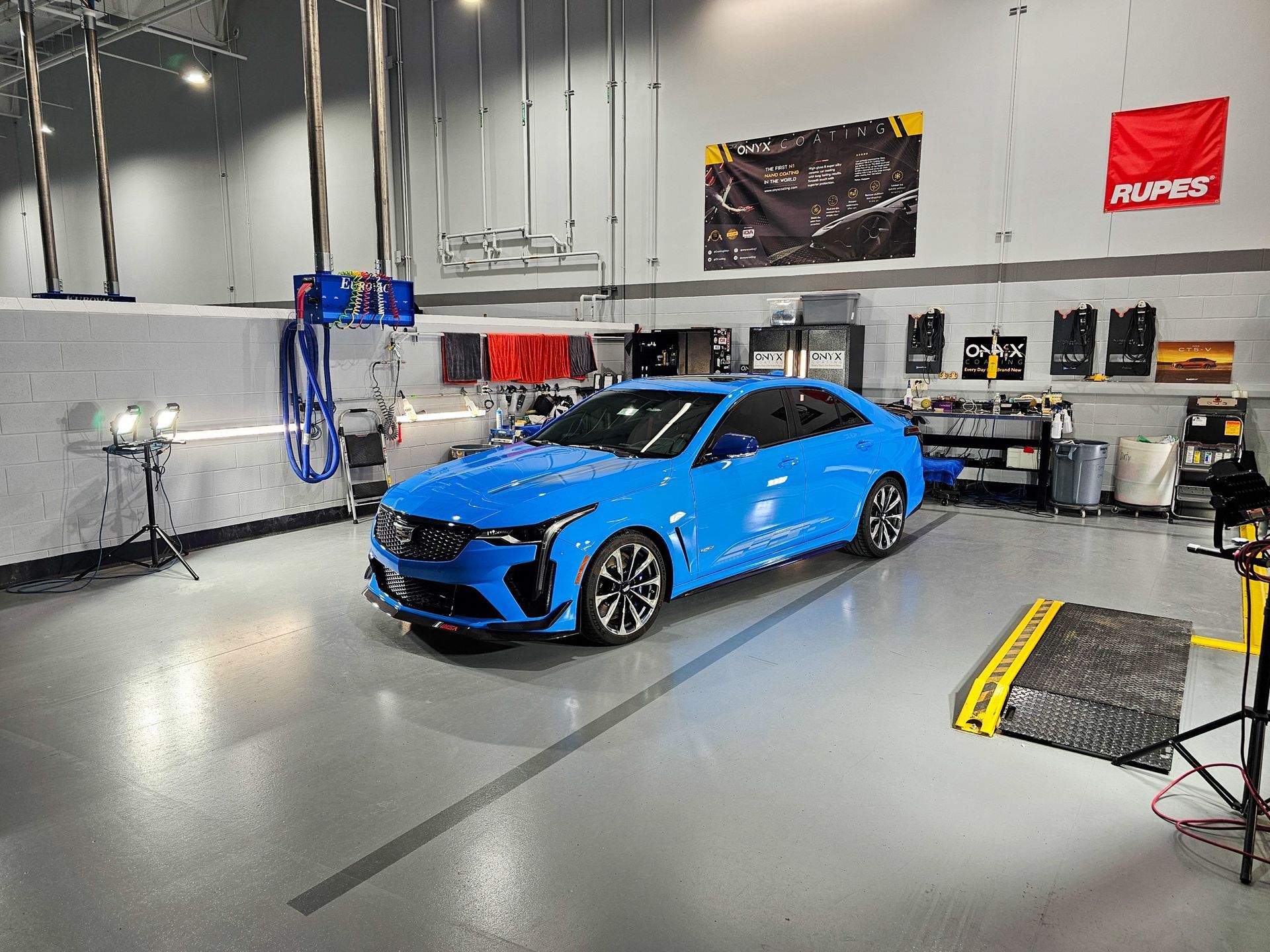
Yes. Ceramic coatings are durable, but dirt and contamination can still accumulate on top of them.
Over time, road film, mineral deposits, brake dust, pollen, and other material may cover the coating’s surface. This buildup can reduce visible water beading, make the paint feel rough, and leave the finish looking less glossy. That does not always mean the coating itself has failed. In many cases, contamination is simply masking its performance.
Washing methods matter as well. Abrasive brushes, dirty wash materials, harsh cleaners, and improper drying techniques can affect the vehicle’s finish and reduce the coating’s performance.
The right maintenance schedule depends on the coating product, vehicle storage, mileage, seasonal exposure, and the installer’s instructions. Manufacturer and installer recommendations should always take priority over a one-size-fits-all online schedule.
7 Benefits of Regular Ceramic Coating Maintenance
1. Preserves Hydrophobic Performance
A ceramic coating creates a hydrophobic surface that helps water bead or sheet away. When road film, mineral deposits, or bonded contamination collects on top of that surface, its water behavior may become less noticeable.
Proper washing and professional decontamination can remove the material masking the coating and help restore more consistent water behavior when the coating is still intact.
Water beading is useful, but it should not be treated as the only measure of coating health. A professional evaluation considers the condition of the entire surface.
2. Helps the Coating Perform Longer
Routine maintenance helps maximize the coating’s usable lifespan by limiting contamination buildup and reducing avoidable damage caused by improper washing.
A neglected coating may require more aggressive correction or decontamination later. Regular care allows contaminants to be addressed before they become more difficult to remove and supports the coating’s expected durability.
No coating lasts for a universal number of years. Its performance depends on the coating formula, paint preparation, mileage, storage, weather exposure, washing habits, and ongoing care.
3. Maintains Gloss and Paint Clarity
Road film, water spots, and bonded contaminants can make even a coated vehicle look dull.
Removing this buildup allows the paint’s gloss and clarity to show through more effectively. A coating-compatible maintenance sealant may also refresh slickness and enhance the finish when used appropriately.
A maintenance wash does not remove deep scratches or repair permanently damaged clear coat. Those concerns may require paint correction or another dedicated service.
4. Reduces Bonded Contamination
Ceramic-coated vehicles still encounter contaminants such as:
- Road salt and winter road film
- Brake dust
- Bug residue
- Bird droppings
- Tree sap
- Pollen
- Mineral deposits
- Industrial and environmental fallout
These materials can remain on the surface after an ordinary rinse. In Fort Wayne, winter driving can leave the lower panels, wheels, and rear of a vehicle covered in salt-heavy road film.
Prompt, careful removal is generally safer than allowing contamination to remain on the finish for an extended period.
5. Makes Routine Washing Easier
A clean, functioning ceramic coating creates a slicker, easier-to-clean surface. Dirt may release more readily during washing, and drying can become more manageable.
That does not mean the vehicle no longer needs to be washed. Regular cleaning is still necessary to prevent contamination from accumulating.
For at-home care, use a pH-appropriate automotive shampoo, clean microfiber materials, a safe hand-washing method, thorough rinsing, and gentle drying. Follow the installer’s recommendations before applying waxes, sealants, or maintenance products.
6. Helps Identify Problems Early
Professional maintenance is also an opportunity to inspect the coating.
A technician may identify:
- Uneven performance between panels
- Persistent water spots
- Embedded or bonded contamination
- Damage caused by improper washing
- Areas that may benefit from a maintenance topper
- Possible coating failure
- Clear-coat damage that requires separate attention
Finding these concerns early can prevent customers from mistaking contamination for coating failure or using an unnecessarily aggressive product at home.
7. Protects Your Ceramic Coating Investment
Ceramic coating is an investment in the appearance and care of your vehicle. Regular maintenance helps protect that investment by reducing the risk of premature performance loss.
Proper care may help you avoid unnecessary recoating, aggressive polishing, extensive contamination removal, and continued deterioration in the vehicle’s appearance.
It also helps preserve the clean, glossy presentation that makes a professionally coated vehicle enjoyable to own. While maintenance cannot guarantee a specific resale-value increase, well-cared-for paint supports long-term pride of ownership and better overall vehicle presentation.

How Often Should You Maintain a Ceramic-Coated Vehicle?
There is no universal maintenance schedule for every coated vehicle. Frequency depends on daily mileage, parking conditions, seasonal weather, coating age, product requirements, and exposure to contamination.
A useful general framework is:
- Routine washing: About every two to four weeks, or sooner when the vehicle is visibly dirty.
- After heavy contamination: Clean the vehicle as soon as reasonably possible after bird droppings, bug buildup, tree sap, or significant road film.
- After driving on salted roads: Rinse and wash the vehicle rather than allowing salt-heavy film to remain on the surface.
- Maintenance topper or sealant: Follow the coating manufacturer’s and installer’s recommended interval.
- Professional maintenance: Often once or twice per year, depending on the coating, vehicle condition, storage, mileage, and seasonal exposure.
A garage-kept weekend vehicle may need less frequent attention than a daily driver parked outdoors. Fort Wayne drivers who regularly travel on salted winter roads may benefit from more frequent washing and seasonal professional maintenance.
Your installer’s instructions should always take priority over a generic schedule.
Signs Your Ceramic Coating Needs Maintenance
Your vehicle may be ready for maintenance when:
- Water no longer beads or sheets consistently
- The paint feels rough after washing
- Dirt has become harder to remove
- Gloss looks muted or uneven
- Water spots remain after washing
- Lower panels retain heavy road film
- Some panels perform differently from others
- The vehicle has experienced significant winter-road exposure
Reduced beading does not automatically mean the coating has failed. Mineral deposits, road film, or other contamination may be covering the hydrophobic surface.
A professional inspection can help determine whether the coating needs cleaning, decontamination, a maintenance topper, or complete reapplication.
At-Home Care Versus Professional Ceramic Coating Maintenance
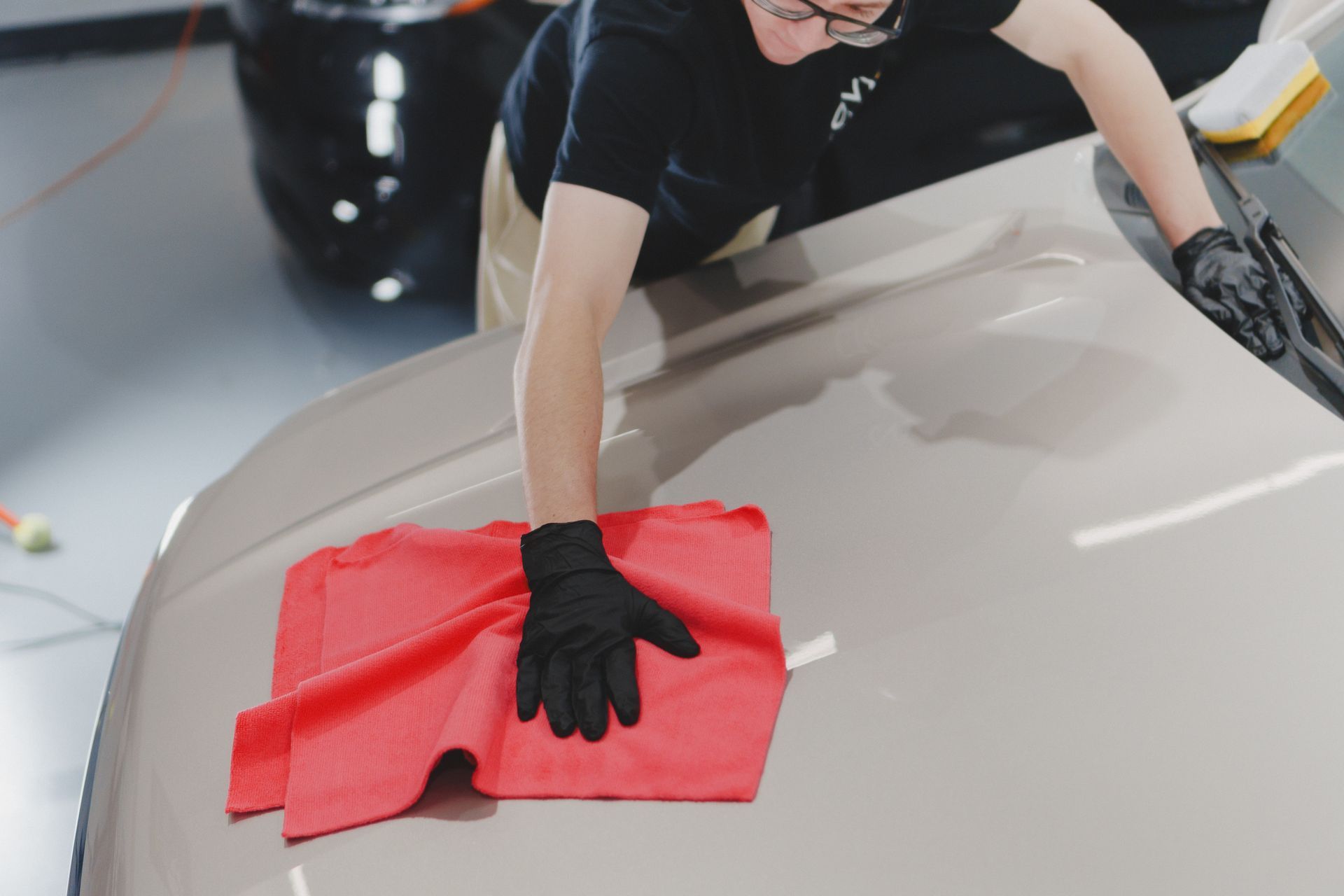
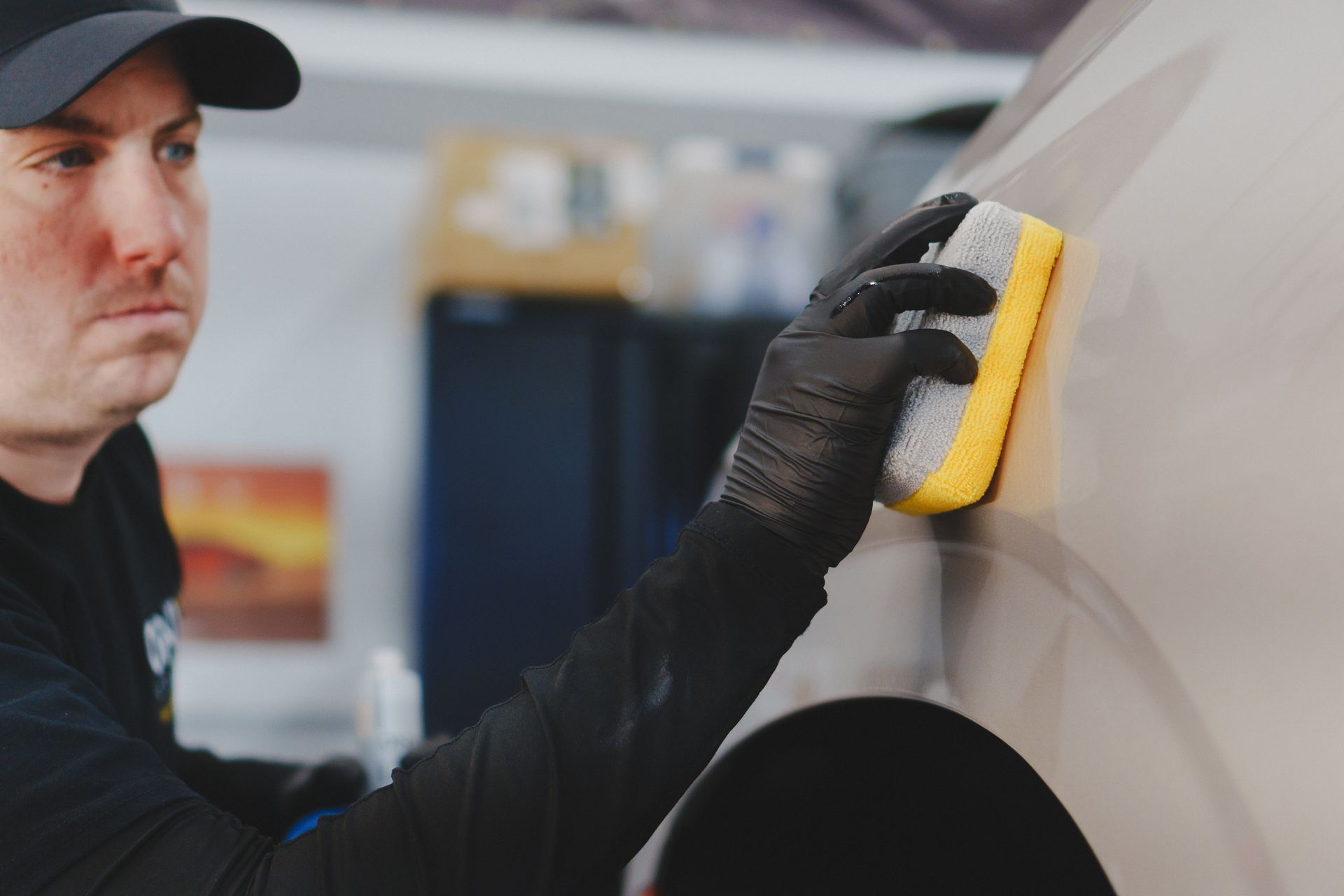
At-home maintenance is appropriate for regular washing, safe drying, and the prompt removal of fresh contamination. Vehicle owners should use clean microfiber materials, coating-compatible products, and washing methods approved by their installer.
Professional maintenance becomes valuable when ordinary washing no longer restores the vehicle’s feel, gloss, or water behavior.
A professional service may include chemical decontamination, careful removal of bonded contamination, coating-performance evaluation, treatment of persistent water spots, and application of an appropriate maintenance sealant or topper.
Avoid casually using abrasive compounds, aggressive cleaners, polishing products, or clay on a coated vehicle. Clay treatment is mildly abrasive and should be used carefully after evaluating the coating and contamination. Improper techniques may negatively affect the coating or surrounding finish.
Professional maintenance helps determine whether the surface is simply contaminated, has become weakened, or is beginning to fail.
What Is Included in a 1469 Super Center Ceramic Maintenance Wash?
The Ceramic Maintenance Wash from 1469 Super Center is designed to address contamination that an ordinary wash may leave behind.
The service includes:
- Hand washing and drying: Removes loose dirt using a controlled process intended to reduce unnecessary contact with the finish.
- Chemical exterior decontamination: Helps break down embedded particles, road film, and contamination that regular shampoo may not remove.
- Clay treatment for bonded contaminants: Targets remaining material attached to the surface when clay treatment is appropriate for the vehicle’s condition.
- Ceramic sealant on the paint, glass, and wheels: Refreshes slickness, gloss, and water behavior while providing more comprehensive exterior maintenance.
- Tire dressing: Completes the exterior presentation with a clean, finished appearance.
This process helps uncover the coating’s existing performance while giving technicians an opportunity to inspect the vehicle for water spots, uneven behavior, contamination, or signs of coating deterioration.
Package pricing may differ based on vehicle size and can change over time. Visit the current service page or request a quick quote for up-to-date information.
Keep Your Ceramic Coating Performing Through Every Fort Wayne Season
Ceramic coating provides durable protection, but it still requires proper care. Regular maintenance helps preserve gloss, slickness, hydrophobic performance, contamination resistance, and ease of cleaning.
That care becomes especially valuable during Fort Wayne winters, when salted roads and heavy road film can cover the lower portions of your vehicle. Professional maintenance can address contamination that routine washing may leave behind and help determine whether your coating needs a topper, further treatment, or reapplication.
Keep your ceramic coating glossy, slick, and ready for every Fort Wayne season. Schedule a Ceramic Maintenance Wash with 1469 Super Center by calling (260) 436-9274 or requesting a quick quote online.
Frequently Asked Questions
Does ceramic coating need regular maintenance?
Yes. Ceramic coatings are durable, but they still accumulate dirt, mineral deposits, road film, and bonded contaminants. Proper washing and periodic professional care help preserve appearance and performance. Maintenance also gives technicians an opportunity to identify contaminated, weakened, or damaged areas before they become more difficult to address.
How often should a ceramic-coated car be washed?
A general guideline is every two to four weeks, but the correct frequency depends on mileage, parking, weather, and contamination exposure. Wash sooner after salted roads, bug buildup, bird droppings, tree sap, or heavy road film. Always follow the coating installer’s specific maintenance recommendations.
Why has my ceramic coating stopped beading?
Reduced beading may be caused by road film, mineral deposits, soap residue, or bonded contamination covering the coating’s hydrophobic surface. It does not automatically mean the coating has completely failed. Proper washing and professional decontamination may restore more consistent water behavior when the coating remains intact.
Can professional maintenance restore ceramic coating performance?
Professional decontamination and an appropriate maintenance sealant or topper may restore slickness, gloss, and water behavior when the coating is still present. If the coating has failed, suffered damage, or been removed by previous correction work, the vehicle may require additional preparation and reapplication.
Can I take a ceramic-coated car through an automatic wash?
Abrasive brush-style automatic washes are generally best avoided because repeated contact may create wash marks and affect the vehicle’s finish. Touchless washes may be less abrasive, but their chemicals and water quality vary. Safe hand washing with coating-compatible products provides greater control.
Does a ceramic-coated vehicle still need wax?
Conventional wax is generally unnecessary unless the coating installer specifically recommends it. Some waxes may interfere with the coating’s intended water behavior. Use coating-compatible maintenance products, sealants, or toppers approved for the installed coating system.
Can ceramic coating maintenance remove scratches?
A ceramic maintenance wash removes dirt and contamination but does not remove deeper scratches or repair damaged clear coat. Scratch removal usually requires paint correction, which is a separate process. Because polishing may weaken or remove an existing coating, the surface should be evaluated before correction begins.